If you are looking at Palmetto Bluff through a long-term lens, one question matters more than almost any other: what actually protects value here over time? In a market shaped by luxury, land, and lifestyle, it is easy to focus on finishes or square footage alone. But in Palmetto Bluff, the bigger story is how preservation, planning, and limited supply work together to support desirability. Let’s dive in.
Land Preservation Shapes the Foundation
Palmetto Bluff is not a typical neighborhood. Official Town of Bluffton materials describe it as a 20,000-acre preserve with 32 miles of riverfront and shoreline, which makes the setting itself one of the clearest drivers of long-term value.
That scale matters because buyers are not simply purchasing a house. You are also buying into protected open space, water access, natural views, and a development pattern that is very different from a more conventional coastal subdivision.
A big part of that story is the Palmetto Bluff Conservancy, a 501(c)(3) founded in 2003. Its stated purpose is to steward land, water, wetlands, open spaces, ecosystems, and history for present and future generations, in partnership with the North American Land Trust.
That kind of stewardship is not just a nice idea. In a coastal environment, environmental quality is closely tied to property appeal, especially when buyers place a premium on views, habitat, and access to well-cared-for natural surroundings.
Water Quality Matters in Bluffton
The broader Bluffton setting also reinforces why stewardship matters. The Town of Bluffton’s May River Watershed Action Plan notes that rapid development in the watershed contributed to rising fecal coliform levels and shellfish-harvesting closures, while prioritizing restoration and prevention.
For you as a buyer, seller, or owner, that context is important. In a river-oriented community like Palmetto Bluff, long-term value is tied not only to private property, but also to the health of the surrounding land and water systems.
The Conservancy’s work reflects that broader responsibility. Its core functions include land and wildlife management, ecological research, education and outreach, and history and archaeology, which helps explain why Palmetto Bluff is positioned as a residential preserve rather than a standard residential development.
Design Standards Support Lasting Appeal
Another major value driver is governance. The Town of Bluffton identifies Palmetto Bluff as the town’s first Planned Unit Development, and the PUD framework includes negotiated zoning regulations that shape how the community grows.
Archived town concept plan materials state that total units within Palmetto Bluff shall not exceed 4,000 residential dwelling units. That cap matters because finite supply can support long-term value in a way that open-ended expansion usually does not.
Inside the community, design review adds another layer of discipline. Palmetto Bluff’s Design Review Board is intended to protect and enhance the natural surroundings while maintaining a cohesive, regionally authentic settlement.
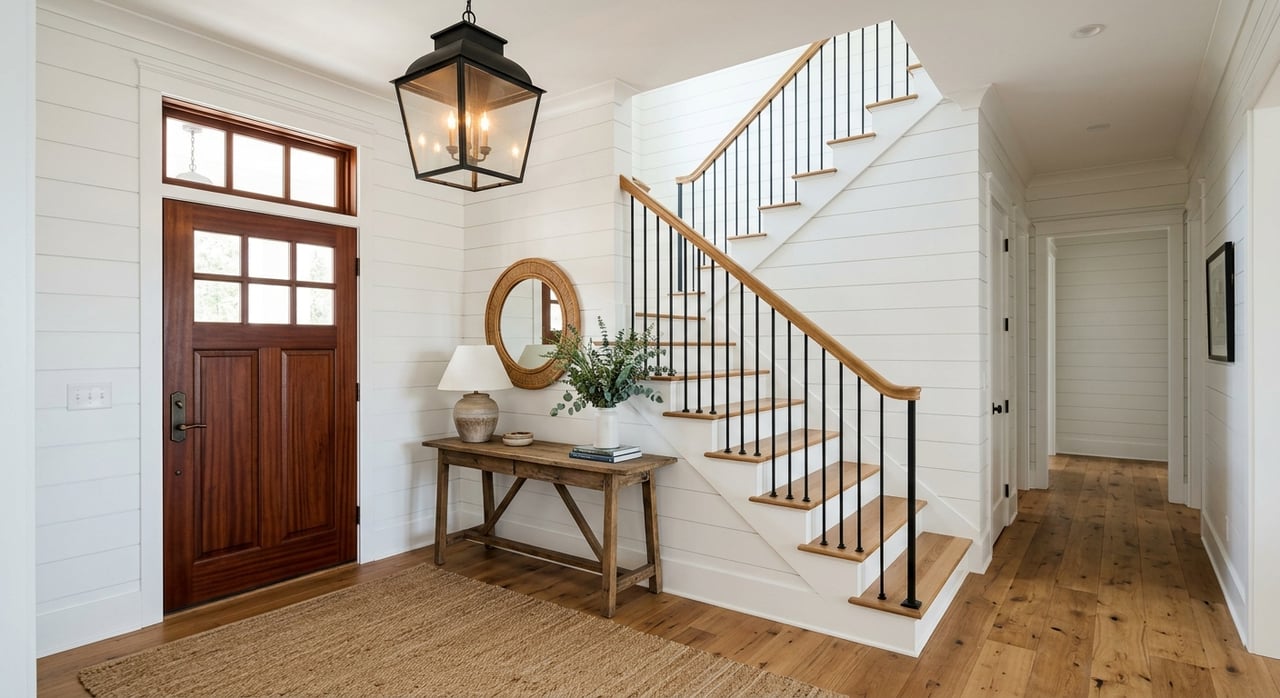
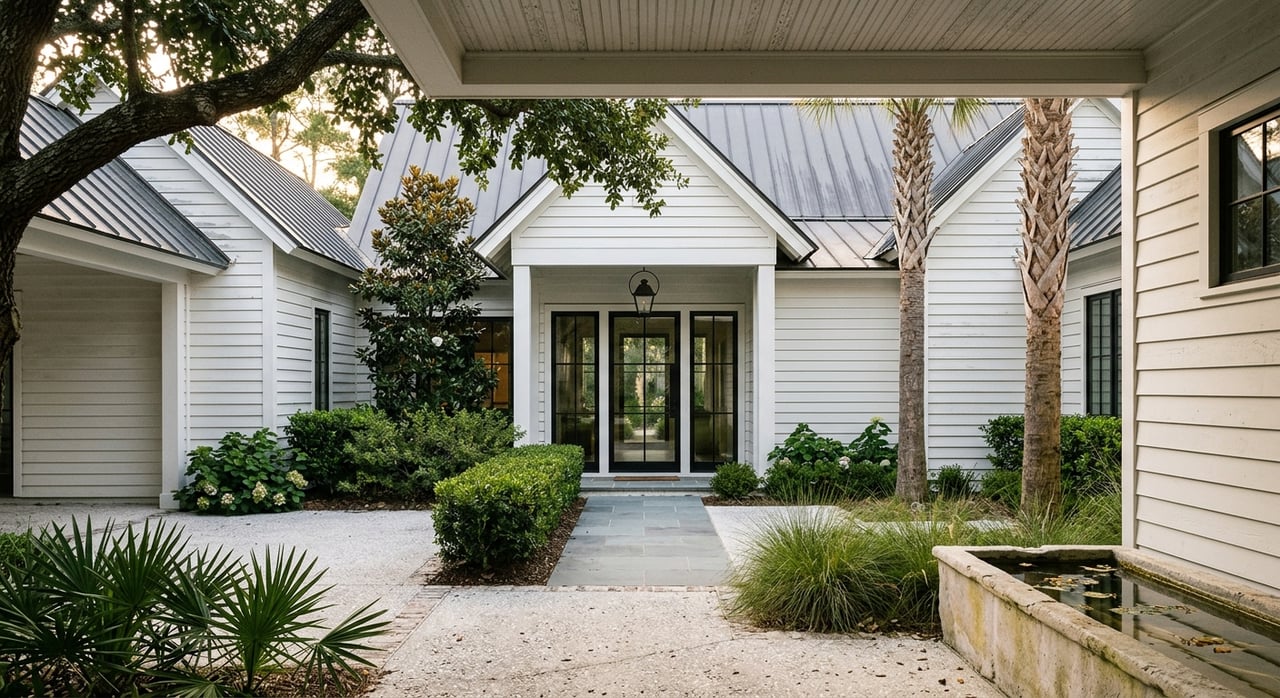
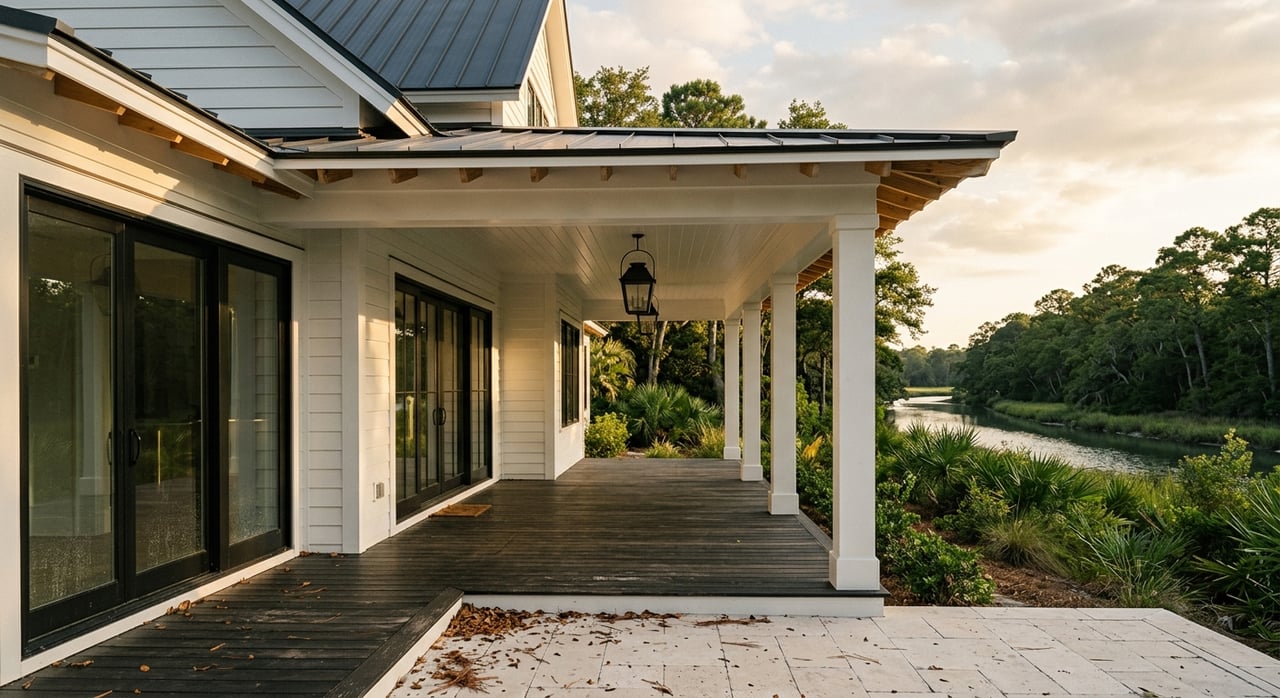
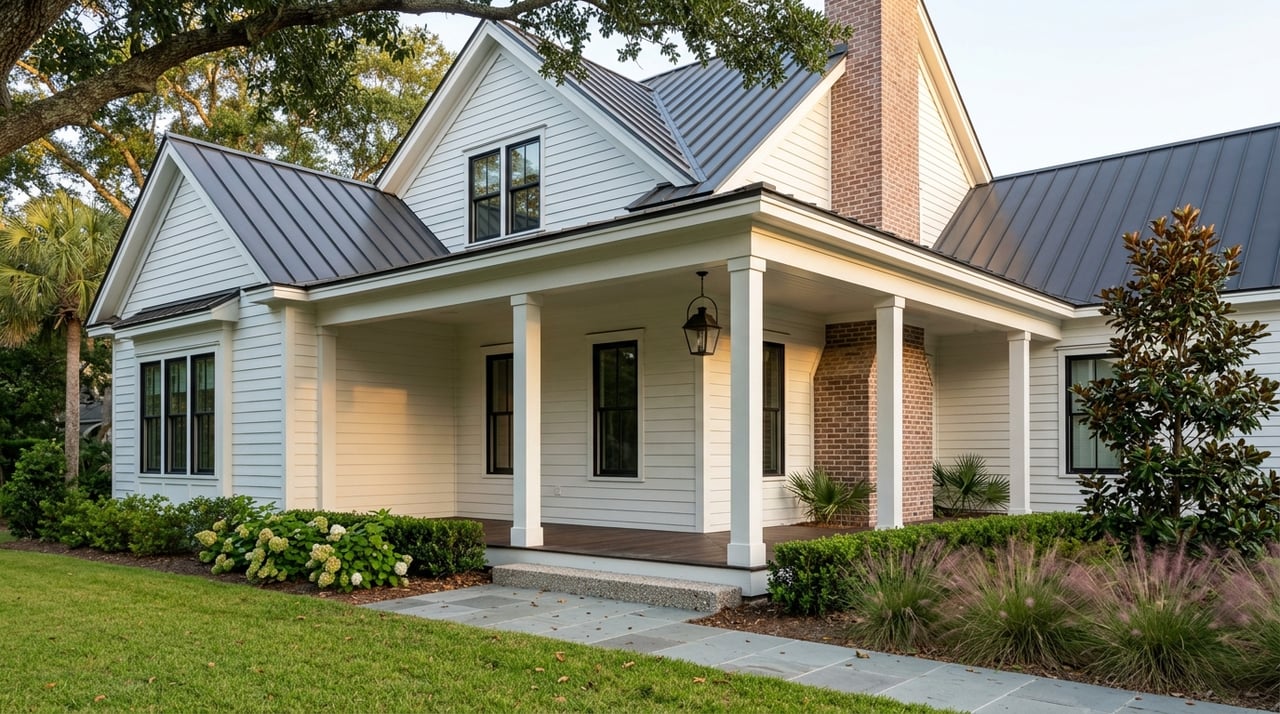
That translates into clear architectural expectations. Professional design submissions are required from South Carolina-registered architects and landscape architects, and the standards emphasize Lowcountry elements such as deep porches, raised foundations, and detached secondary structures.
Why Cohesive Design Can Matter So Much
Over time, well-managed design standards can help a community stay visually consistent and avoid the patchwork feel that can affect some luxury markets. When architecture responds to the landscape and follows a shared language, homes often age more gracefully as a collection.
This is one reason location within Palmetto Bluff can matter so much. The community distinguishes between town neighborhoods, which emphasize closeness to amenities, and country neighborhoods, which emphasize larger lots and privacy.
For you, that means value is often tied to a property’s relationship to the setting. A home’s position near village activity, open green space, wetlands, marina access, or a more private lot can influence demand just as much as the home’s size or finish level.
Amenities Help Sustain Demand
In luxury real estate, amenities are not a side note. They are part of what supports year-round use, repeat interest, and broader buyer appeal.
Palmetto Bluff Club materials highlight golf, fitness and wellness, marina access, The Farm, sporting life activities, youth programming, trails, and a full annual events calendar. That range matters because it supports many styles of ownership, including full-time living, second-home use, and multigenerational gathering.
Golf remains one of the strongest demand anchors. Palmetto Bluff now describes three distinct golf experiences: May River, Crossroads, and Anson Point.
Anson Point, which opened in 2026, is especially notable because it was built across more than 500 acres of preserved Lowcountry land and intentionally developed without residential components. That choice reinforces a conservation-first identity rather than treating every premium landscape feature as a build-out opportunity.
The Resort Brand Adds Market Strength
Hospitality quality can also strengthen a residential market, especially in destination communities. Montage Palmetto Bluff is deeply integrated into the broader experience of the community.
Its press materials list a 2026 Forbes Travel Guide Five-Star Rating, top 2026 U.S. News hotel and resort rankings, and 2025 MICHELIN Guide Two Key recognition. While those honors do not determine home values on their own, they do signal a level of service, outside demand, and reinvestment that can support long-term desirability.
For buyers, that often translates into confidence in the broader place, not just the individual property. For sellers, it can add to the appeal of the Palmetto Bluff story when positioning a home in the market.
Scarcity Shows Up in the Numbers
The most visible output of all these factors is market behavior. Palmetto Bluff’s market recap published March 12, 2026 reported 143 closed properties and $322.1 million in community-wide sales in 2025.
That same recap reported average resale home prices of $2.95 million and average homesite prices of $1.08 million. It also noted that average home values have risen by more than $850,000 since 2021 and average homesite values by more than $490,000 since 2021.
These figures are descriptive, not predictive. Still, they help show where demand has been concentrated and how buyers have responded to the community’s blend of preservation, luxury, and limited inventory.
Limited Supply Supports the Story
Supply constraints are especially important in a phased community. The same 2025 recap states that only 4.7% of privately owned homes are listed for sale at any given time.
It also reported 45 active resale home listings, 12 active homesite listings, 133 homes under construction, 1,216 completed homes, and 58 homes in design review. In practical terms, that suggests new supply enters the market gradually rather than all at once.
For you as a buyer, this can mean patience and strategy are often necessary. For you as a seller, it helps explain why strong positioning, timing, and neighborhood-specific pricing can matter so much.
Neighborhood Positioning Influences Value
Not every part of Palmetto Bluff performs the same way, and that is normal in a community of this scale. In 2025, River Road and Moreland Forest accounted for more than half of all transactions.
Official neighborhood descriptions help explain that activity. River Road emphasizes community green space and the May River setting, while Moreland Forest features preserved wetlands, inland waterway access, and a recent 14-homesite release ranging from 0.33 to 0.51 acres.
This points to an important truth about long-term value in Palmetto Bluff. It is often driven less by raw square footage and more by a property’s exact location, privacy, water relationship, access to amenities, design quality, and overall fit within the community.
What Buyers and Sellers Should Watch
If you are buying in Palmetto Bluff, long-term value usually starts with the fundamentals that are hardest to replicate. Those often include homesite quality, water or green-space orientation, privacy, access to village or club amenities, and architectural fit within the setting.
If you are selling, the same factors can shape how your property should be presented and priced. In a market this nuanced, buyers are often evaluating not just the home itself, but also the story of the homesite, the neighborhood, and the lifestyle connection.
That is why careful guidance matters here. In a preserve community with design controls, finite supply, and distinct neighborhood character, the best decisions are rarely based on price per square foot alone.
Palmetto Bluff’s long-term value story is compelling because it rests on more than market momentum. It is supported by preserved land, stewardship of natural resources, disciplined design standards, meaningful amenities, and a phased supply pipeline that keeps scarcity real.
If you want clear, discreet guidance on buying or selling in this market, Lori Whatley offers a thoughtful, high-touch approach grounded in daily community knowledge and personalized strategy.
FAQs
What supports long-term value in Palmetto Bluff real estate?
- Long-term value is supported by preserved land, water stewardship, design review standards, luxury amenities, and limited supply within a phased community.
Why does conservation matter in Palmetto Bluff property values?
- Conservation matters because protected land, wetlands, shoreline, and natural views are central to the ownership experience and overall market appeal.
How does the Palmetto Bluff unit cap affect real estate?
- Town materials state that total units in Palmetto Bluff cannot exceed 4,000 residential dwelling units, which creates a meaningful long-term supply constraint.
Do amenities influence Palmetto Bluff home demand?
- Yes. Golf, marina access, fitness and wellness, trails, events, and other club offerings help support year-round use and broad buyer interest.
Why do some Palmetto Bluff neighborhoods perform differently?
- Different neighborhoods offer different combinations of privacy, water access, green space, lot size, and proximity to amenities, which can influence buyer demand and pricing.
Is square footage the main driver of value in Palmetto Bluff?
- No. Square footage matters, but location within the community, homesite quality, design, privacy, and access to lifestyle features often play a larger role in long-term value.