If you are selling a luxury home in Palmetto Bluff, you are not just selling square footage. You are selling a setting, a rhythm of life, and a very specific ownership experience. That can feel exciting and a little high-stakes at the same time, especially when buyers are comparing your home to other resales and new construction options. This step-by-step guide will help you understand how to prepare, price, market, and close with more confidence. Let’s dive in.
Understand the Palmetto Bluff market
Palmetto Bluff operates differently from the broader Bluffton market. The community spans 20,000 acres and 32 miles of riverfront, which means buyers often shop here for lifestyle, setting, and access as much as they shop for the home itself.
That local context shapes how your property should be positioned. In 2025, community-reported results showed 143 closed properties totaling $322.1 million, including 91 homes with an average resale price of $2.95 million and 52 homesites averaging $1.08 million. The same report noted that only 4.7% of privately owned homes were listed at any given time, while 133 homes were under construction and 58 more were in design review.
That last point matters. Your resale may benefit from scarcity, but it may also compete with the community’s active build pipeline. Buyers may ask whether your home offers a faster move-in, a better location, stronger privacy, a more established setting, or a lifestyle advantage that new construction cannot easily match.
Step 1: Gather key seller documents
A smooth luxury sale usually starts long before your home goes live. In Palmetto Bluff, that means pulling together the documents a serious buyer is likely to request early.
South Carolina requires a written residential property condition disclosure for most one- to four-unit residential sales before the contract is signed. The form addresses structural and mechanical systems, environmental conditions, rental or lease obligations, and whether the property is subject to homeowners association governance.
If your home is in Palmetto Bluff, HOA and design-related paperwork deserve extra attention. Because recorded governing documents can be enforceable under South Carolina law, and because Palmetto Bluff uses a Design Review Board for exterior work and architectural review, it is wise to organize approvals and records before listing.
Helpful documents often include:
- Residential property condition disclosure form
- HOA or POA governing documents
- Assessment or dues history
- Design Review Board approvals for exterior changes
- Renovation permits and contractor records
- Contractor or system warranties
- Survey or boundary notes
- Recent inspection reports
- Club or membership details, if transferable
- A list of visible maintenance items already addressed or still pending
When these materials are ready upfront, your sale tends to feel more orderly, transparent, and credible.
Step 2: Address condition before listing
In a seven-figure market, presentation and condition carry real weight. Buyers at this level often expect a home that feels cared for, easy to understand, and ready for close review.
Start with visible maintenance. Small issues can create bigger doubts when a buyer is already weighing renovation quality, age, and long-term upkeep. Clean lines, working systems, and a well-documented ownership history help support value.
Disclosures also matter here. If your home was built before 1978, federal lead-based paint disclosure rules apply before the contract is signed. Sellers must disclose known information, provide available records, give the required pamphlet, and offer buyers a 10-day inspection period.
South Carolina law also requires you to correct a material inaccuracy in the disclosure if you discover one later, or make reasonable repairs before closing. In other words, thoughtful preparation on the front end can help you avoid stress during negotiations.
Step 3: Price within the right micro-market
One of the biggest mistakes luxury sellers can make is relying too heavily on broad Bluffton averages. Palmetto Bluff is its own submarket, and even within the community, pricing should be neighborhood-specific.
In 2025, active resale homes in Palmetto Bluff averaged a $3.52 million list price, while closed homes averaged $2.95 million. Those numbers are useful for context, but they do not replace a close look at your immediate competition.
A smart pricing strategy should consider:
- Your neighborhood within Palmetto Bluff
- Homesite size
- View corridor
- Water access
- Privacy
- Village versus country setting
- Condition and renovation quality
- Architectural style and presentation
- Proximity to amenities
- Club or membership features that may affect buyer interest
Neighborhood patterns matter too. River Road and Moreland Forest accounted for more than half of 2025 transactions, followed by Moreland and May River Forest. That is why the strongest pricing conversation starts with comparable properties that truly mirror your home’s location and lifestyle offering.
Step 4: Build a strong value story
Luxury buyers in Palmetto Bluff are often buying a full experience. Your marketing should reflect that reality.
The community’s appeal includes riverfront access, conservation-minded planning, golf, dining, fitness and wellness, marina access, the farm, sporting pursuits, stables, arts programming, and community events. For some properties, proximity to these features may shape interest as much as interior finishes do.
That does not mean every listing should use the same talking points. The best value story is tailored. A river-oriented home, a private wooded retreat, and a village-adjacent property may each appeal for different reasons.
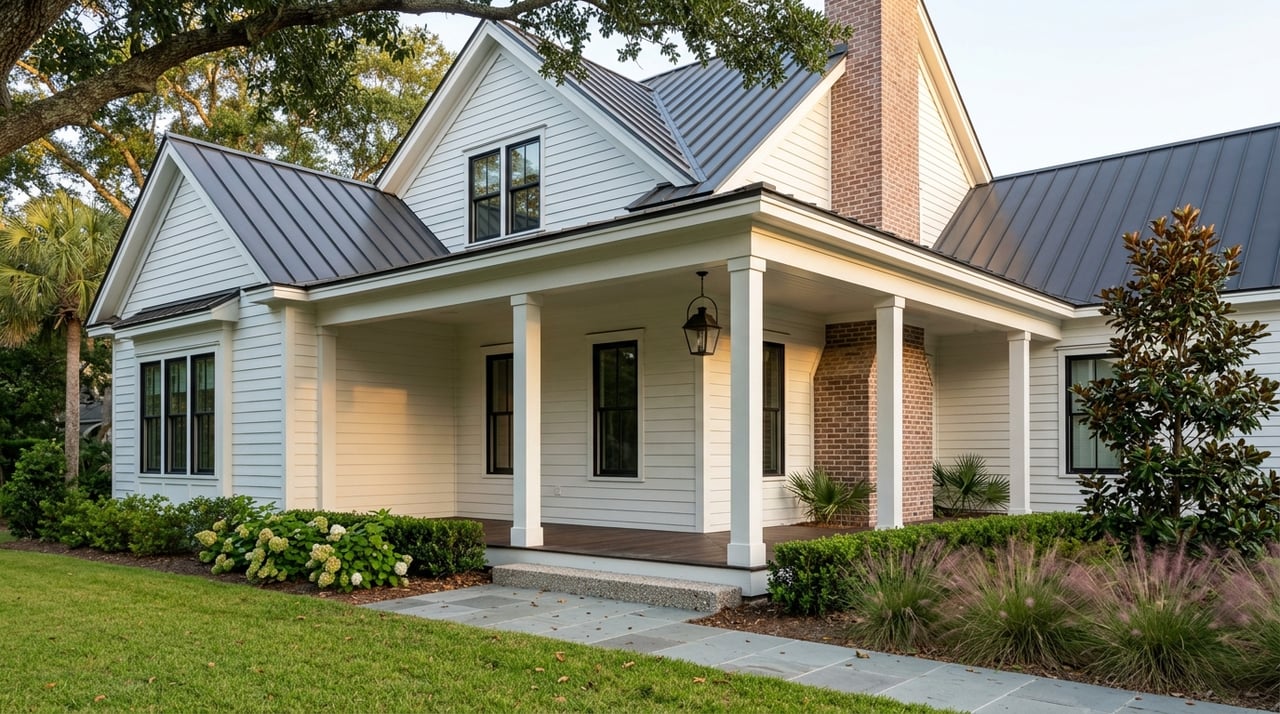
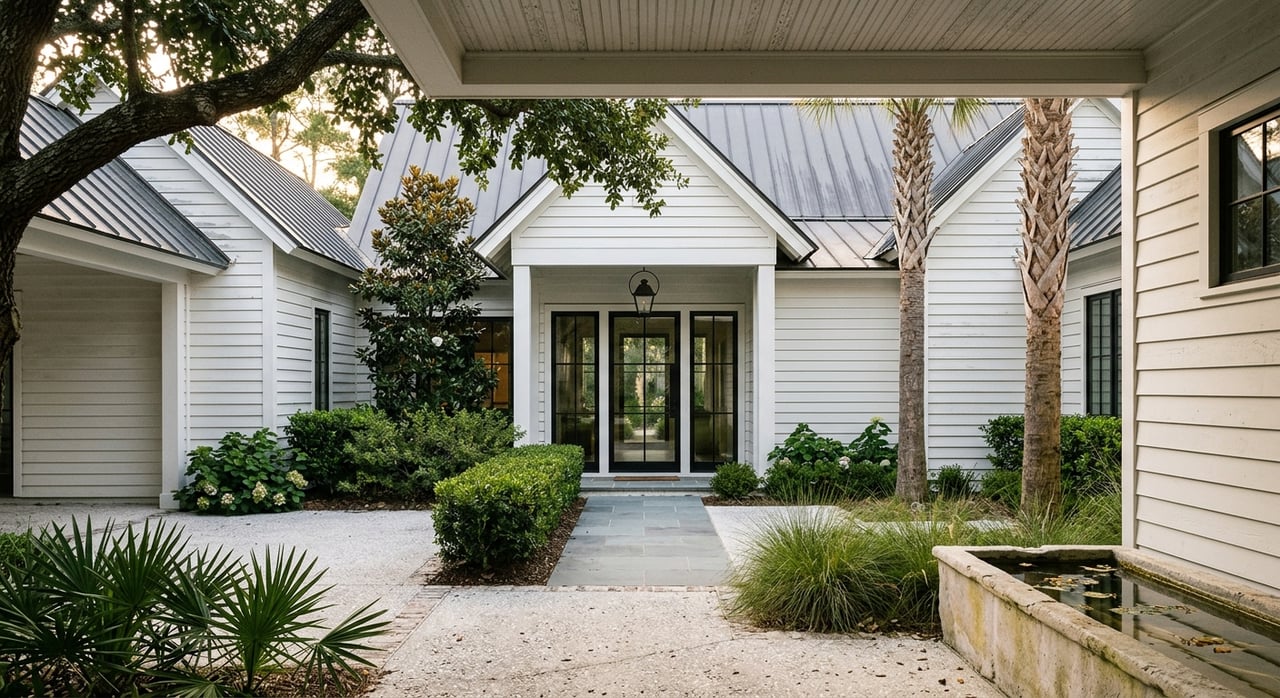
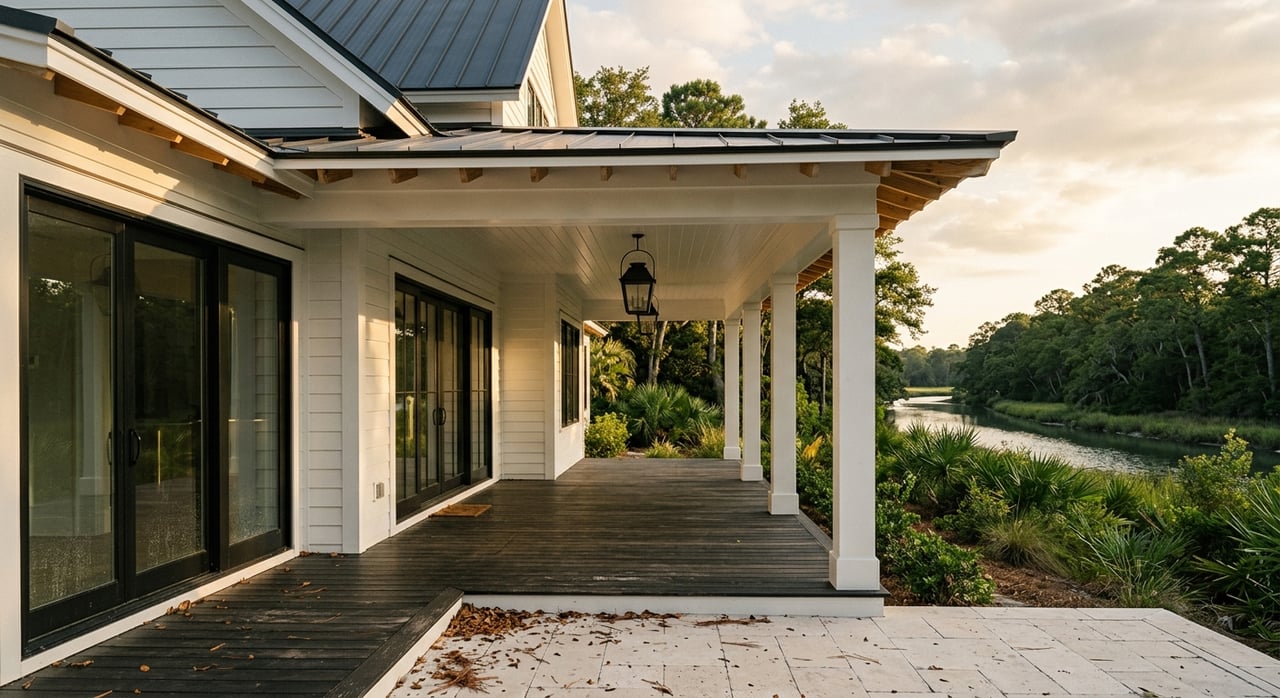
Palmetto Bluff also distinguishes between more vibrant town settings and quieter country neighborhoods. Its architecture emphasizes local elements such as porches, raised foundations, detached secondary structures, and natural materials. These details help explain why one home may command stronger interest than another, even at a similar size.
Step 5: Prepare high-end marketing assets
In a luxury market, first impressions are often digital. Many interested buyers may begin their review from a distance, especially if the property is a second home or lifestyle purchase.
That is why polished marketing materials matter. Professional photography, drone imagery, refined floor plans, and a clear amenities sheet help a buyer understand the property quickly and accurately.
Remote-buyer materials are especially valuable in Palmetto Bluff. When a home is presented well, a qualified buyer can evaluate the setting, flow, and value proposition before scheduling repeated in-person visits. That creates a smoother showing process and often better use of your time.
Step 6: Decide on public or limited pre-market exposure
Not every luxury seller wants the same level of visibility. Some owners prefer broad exposure to maximize reach, while others place a premium on privacy and discretion.
In Palmetto Bluff, a limited pre-market strategy can make sense for privacy-sensitive sellers. But it is a trade-off, not an automatic advantage. Less exposure may protect privacy, yet it can also narrow the buyer pool.
Because inventory is limited, this decision should be intentional. The right approach depends on your priorities, timeline, and comfort level with public marketing.
Step 7: Curate the showing experience
Showings in Palmetto Bluff should feel calm, organized, and easy. Buyers are not simply evaluating a floor plan. They are considering whether the property fits the way they want to live in the Lowcountry.
That means the experience should feel polished and friction-free. Clear appointment windows, easy access to documents, and thoughtful preparation all help a showing feel more serious and more respectful of your home.
For remote or second-home buyers, the showing process may also involve digital materials that answer questions quickly. A buyer who can review documents, approvals, and property details with ease is often better positioned to move forward with confidence.
Step 8: Negotiate with full information
Once an offer comes in, preparation pays off. Negotiations tend to go more smoothly when your disclosure form, inspection-related information, and HOA or membership documents are organized and available.
South Carolina law makes clear that the buyer still has a duty to inspect the property. The disclosure form is important, but it is not a substitute for the buyer’s own due diligence.
That said, complete and accurate information can reduce confusion and keep momentum intact. If a new inaccuracy becomes known before closing, it should be corrected promptly or addressed through reasonable repairs. In a luxury transaction, clarity often protects both value and timing.
Step 9: Plan for closing details early
Closing a luxury home in Beaufort County involves more than signing the deed. It helps to budget for local recording and administrative items early in the process.
South Carolina charges a deed recording fee when real estate is transferred. In Beaufort County, the recording office also requires the true consideration to be shown on the deed or documented by affidavit when the amount paid is not clearly stated.
These details are manageable, but they are easier to navigate when handled early. If your transaction includes corrections, special documentation, or other moving parts, planning ahead can make closing feel much more seamless.
Why strategy matters in Palmetto Bluff
A successful sale here usually comes down to more than timing. It depends on pricing within the correct micro-market, presenting the home with precision, and helping buyers understand the value of the specific setting you own.
In a community where only a small share of homes are listed at any given time, scarcity can support seller opportunity. At the same time, active construction and design review activity mean buyers may have alternatives. The goal is to make your resale feel distinct, well-prepared, and easy to choose.
When you approach the process step by step, you give yourself the best chance to protect value and reduce friction from listing through closing. If you want a calm, private, and highly tailored plan for your Palmetto Bluff sale, Lori Whatley can help you navigate each step with local insight and white-glove guidance.
FAQs
What makes selling a luxury home in Palmetto Bluff different from selling elsewhere in Bluffton?
- Palmetto Bluff is a distinct luxury submarket where buyers often weigh neighborhood, lifestyle access, privacy, views, membership-related features, and competition from new construction, not just home size or general Bluffton pricing.
What disclosure form do South Carolina sellers need for a Palmetto Bluff home sale?
- Most sellers of one- to four-unit residential property in South Carolina must provide a written residential property condition disclosure before the contract is signed.
What Palmetto Bluff documents should sellers gather before listing?
- Sellers should be ready with HOA or POA documents, dues history, design or renovation approvals, permits, warranties, surveys or boundary notes, inspection reports, and any membership details that may affect buyer interest.
Does a Palmetto Bluff seller need lead-based paint disclosure?
- Yes, but only if the home was built before 1978.
Should a Palmetto Bluff seller use Bluffton home prices to set a list price?
- Usually not by themselves, because Palmetto Bluff pricing should be based on its own micro-market, including neighborhood, property type, setting, condition, and lifestyle factors.
Is selling a luxury home off-market in Palmetto Bluff always better?
- No. A limited pre-market approach can support privacy, but it may reduce exposure, so the right choice depends on your goals and priorities.
What should sellers expect during a luxury closing in Beaufort County?
- Sellers should expect deed recording-related costs and should be prepared for the true consideration to appear on the deed or be documented by affidavit if it is not clearly stated there.