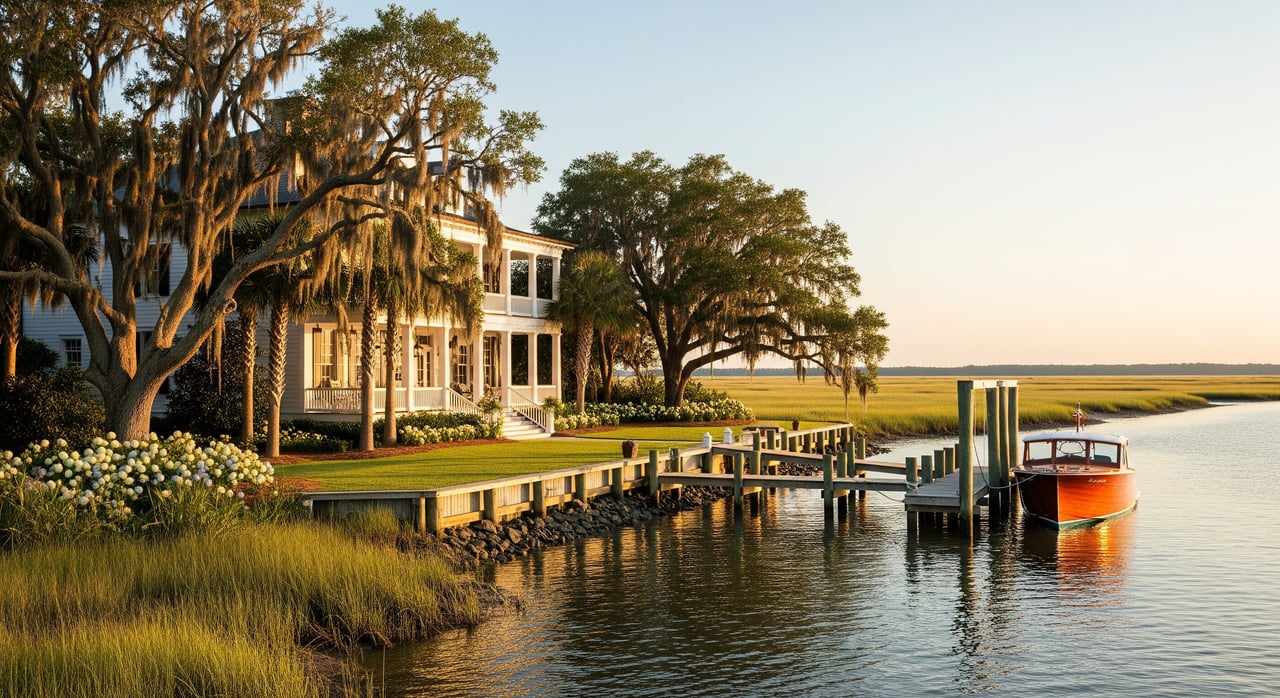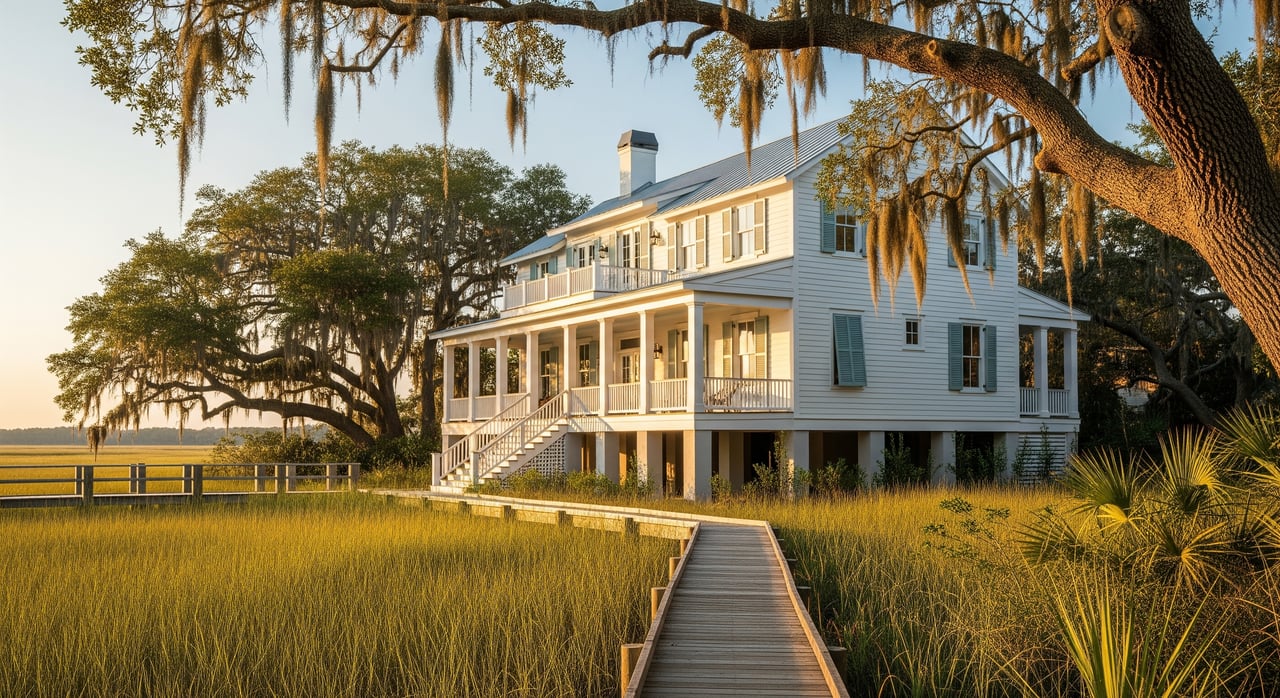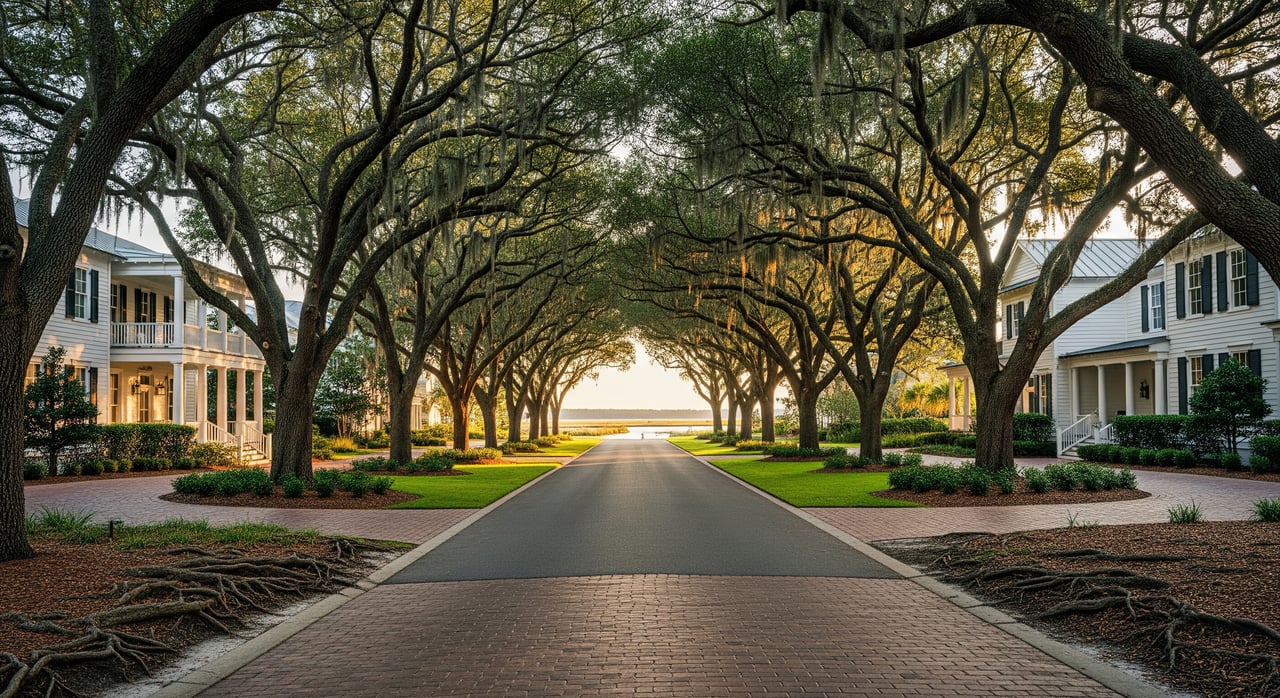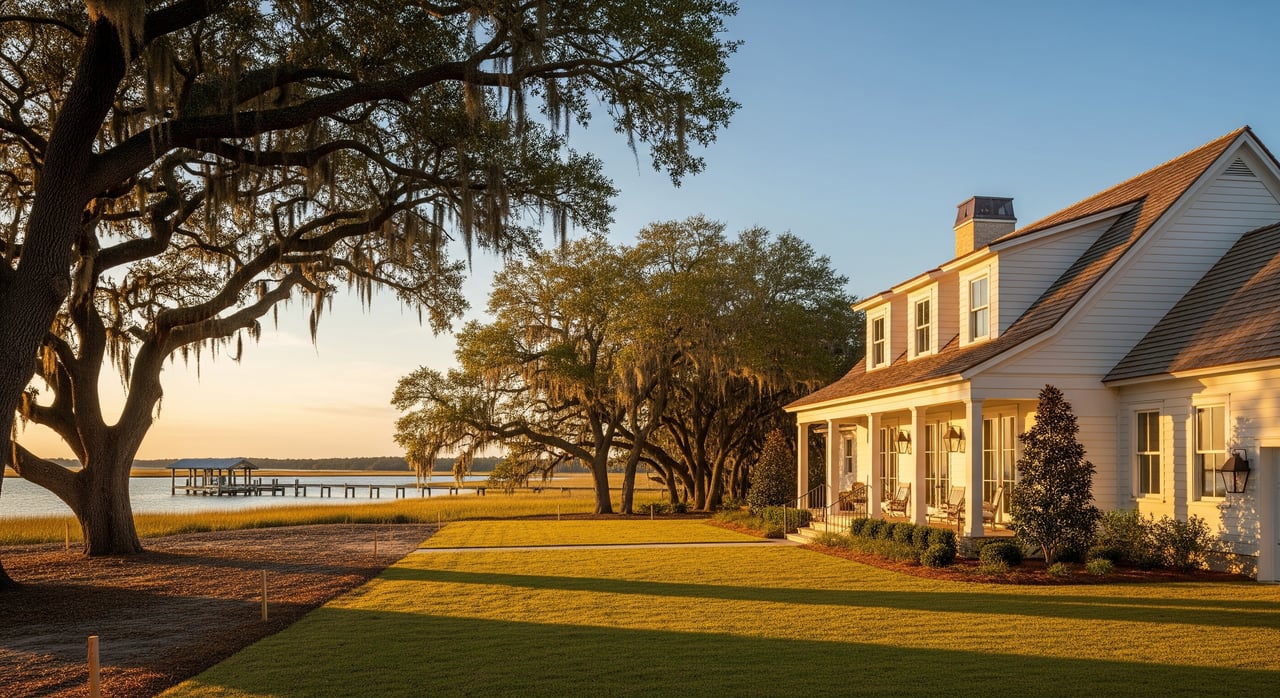
Are you weighing a ground-up custom home against a turnkey resale in Palmetto Bluff? You want the Lowcountry lifestyle, but you also want a smart, well-timed decision. In the next few minutes, you will learn how timelines, costs, design review, and builder choices play out inside this master-planned community. Let’s dive in.
Palmetto Bluff market reality
Palmetto Bluff is a high-end, limited-inventory community along the May River. Resale homes can be scarce because owners tend to hold them, which creates competition when something special hits the market. Buying a resale gives you immediate occupancy and a known condition, while a custom build offers tailored design with a longer path to move-in.
Luxury coastal properties in this area often carry premiums for riverfront locations, high-end finishes, and move-in-ready condition. Community standards and a limited lot supply help support long-term value, but you should compare recent in-community sales and price per usable lot to avoid overbuilding.
Timeline: buy vs build
Buying resale: what to expect
- Search and offer: days to months, depending on how selective you are and what is available.
- Contract to close: often 30 to 60 days for a standard transaction, sometimes longer if the seller requests a rent-back or if there are association approval windows.
- Renovation window: plan for 1 to 3 months for light updates, and 4 to 12 months or more for major changes.
The advantage is speed, predictable outcomes, and immediate enjoyment of the community after closing.
Building custom: what to expect
- Lot acquisition: you close on the homesite first, then begin design.
- Design phase: schematic through construction documents typically takes 3 to 9 months, longer for complex homes.
- ARB design review: expect iterative submissions and multiweek review cycles.
- Permitting: county and state approvals often take 1 to 4 months, longer when wetlands, floodplain, septic, or shoreline issues are involved.
- Construction: 9 to 18 months for many custom Lowcountry homes. Waterfront complexity, deep foundations, or elevated structures can extend that window.
From lot purchase to move-in, a realistic total is 12 to 36 months. Bottlenecks include design revisions, environmental and floodplain requirements, contractor scheduling, weather delays during storm season, and the inspection and draw cadence tied to construction financing. Plan contingency time from day one.
Cost structure and carrying costs
A smart budget looks beyond base construction. Expect the following categories:
- Land and lot cost: varies by location, views, canopy, and allowable footprint. Riverfront or premium sites often carry lot premiums.
- Hard construction cost: driven by finish level, structural needs like pilings for required elevation, mechanical systems, and landscape scope.
- Soft costs: architecture, engineering, surveys, geotechnical reports, landscape design, and interior design.
- Permits and impact fees: county building permits, utility tap fees, and potential state or federal fees for wetlands or shoreline work.
- Financing costs: construction-loan interest during the build, origination and conversion fees for construction-to-permanent financing.
- Carrying costs during construction: property taxes on the lot and improvements, HOA dues if applicable, builder’s risk insurance, utilities, and lot maintenance.
- Post-completion costs: landscape maturity, docks or fences if allowed, and any deferred custom items.
Building concentrates more cost into soft costs and interim carrying costs over a longer window. You typically pay interest only during construction, but total interest, taxes, insurance, and dues can add up. Lot-only and construction loans may require larger down payments and higher rates than standard mortgages. Buying resale concentrates costs into the purchase price and closing fees, with limited carrying costs before move-in.
To dial in a build budget, request detailed estimates from local builders, including allowances for finishes the ARB may require. Ask for a monthly carrying cost estimate during construction so you can plan cash flow with your lender.
Design review and approvals
Palmetto Bluff has community design standards overseen by an Architectural Review Board. Expect to work within rules that guide style, materials, setbacks, height limits, landscape, and tree preservation. Submissions often include site plans, elevations, material and color samples, landscape and stormwater plans, and a construction staging plan. Multiple rounds of review are common.
You will also navigate local and environmental reviews:
- County building permits: Beaufort County requires permits and inspections. Reviews can involve corrections and resubmissions.
- Floodplain and elevation: Flood maps and local ordinances set minimum elevation requirements. Many coastal homes require raised foundations and pilings, which affect design and cost, and you should plan for flood insurance.
- Wetlands and shoreline: Properties near the May River or tidal marsh can trigger state and federal permits for wetlands impacts, docks, or shoreline work. These approvals can add months and may require mitigation.
- Tree protection: Specimen trees may carry preservation rules and mitigation fees.
- Septic vs sewer: Verify whether your lot connects to community sewer or requires a permitted on-site system, which affects the site plan and setbacks.
Early due diligence reduces surprises. Order a boundary and topographic survey, a flood elevation certificate, a tree survey, and a geotechnical soil report. If you are near marsh, consider a wetland delineation and consult environmental specialists early. Coordinate with the ARB and county planning staff at the start to cut rework.
Builder ecosystem and how to choose
In Palmetto Bluff, experience with the community’s standards and coastal construction matters. You will see:
- Community-approved or in-community builders who understand ARB processes and infrastructure.
- Regional custom builders with waterfront and flood-mitigation expertise.
- Design-build firms that combine architecture and construction, offering a single point of responsibility and potential schedule benefits.
- Occasional spec or model homes that shorten the path to move-in but limit customization.
When you interview builders, cover these checkpoints:
- Completed Palmetto Bluff or Beaufort County projects and ARB approval track record.
- References that speak to promised schedules versus actual delivery.
- Financial stability, insurance, and warranty service after completion.
- Subcontractor quality control and change-order procedures.
- Transparent allowances and inclusions for appliances, cabinetry, and finishes.
Choose the right contract structure for your risk tolerance. Fixed-price, cost-plus, and guaranteed-maximum-price contracts each handle risk differently. Have an attorney review terms, and consider an owner’s representative for complex, high-value builds.
Decision checklist: build or buy
Use these quick filters to align your path with your priorities.
If you want speed, known cost, and immediate occupancy:
- Focus on resale or a completed spec home.
- Get thorough inspections and budget for quick updates if needed.
If you want design control and a long-term fit:
- Plan for a longer timeline, more soft costs, and carrying costs.
- Engage the ARB early, and hire a builder with proven in-community success.
Financial and timing checks:
- Current Palmetto Bluff resale inventory and recent comparable sales.
- Lot availability and premiums for riverfront or premium locations.
- Realistic builder schedules and ARB review calendars.
- Construction financing terms, draw schedules, and conversion steps.
- Estimated monthly carrying costs during the build, including interest, taxes, insurance, and HOA dues.
- Permitting risks tied to wetlands, floodplain, and county reviews.
Risk management tips:
- Use an owner’s rep for large custom projects.
- Set both budget and schedule contingencies.
- Verify builder completion history and warranty response.
- If buying resale, negotiate with planned upgrades in mind.
Which path fits you
If you are ready to live the Palmetto Bluff lifestyle soon, a well-vetted resale or a completed spec home may be your best move. If you have a precise vision and patience for a multi-step process, a custom build can deliver a home that fits how you live for years to come. Either way, local guidance is essential to navigate ARB review, floodplain rules, and builder selection.
You do not have to choose alone. As a full-time resident and trusted advisor, Lori Whatley brings calm, concierge support, community insight, and thoughtful negotiation to help you compare real options on your timeline. Request a private consultation to map your best path in Palmetto Bluff.
FAQs
How long does a custom home in Palmetto Bluff take?
- From lot closing to move-in, plan for about 12 to 36 months, including design, ARB review, permitting, and construction.
What are the biggest hidden costs when building in the Lowcountry?
- Carrying costs during construction, elevated foundation requirements, ARB-driven material choices, and potential wetlands or shoreline permitting.
Do I need ARB approval to renovate a resale home in Palmetto Bluff?
- Many exterior changes require ARB review, including materials, colors, landscape, and site modifications. Confirm requirements before starting.
How do flood zones affect building near the May River?
- Floodplain rules often require raised foundations and pilings, which influence design, cost, and insurance. Verify base flood elevation early.
Are spec homes available in Palmetto Bluff?
- At times, builders offer spec or model homes that shorten timelines. Availability varies, so monitor inventory closely with a local advisor.
What financing is common for a lot and custom build?
- Buyers often use a lot loan or cash for the site, then a construction-to-permanent loan with interest-only draws that convert at completion.