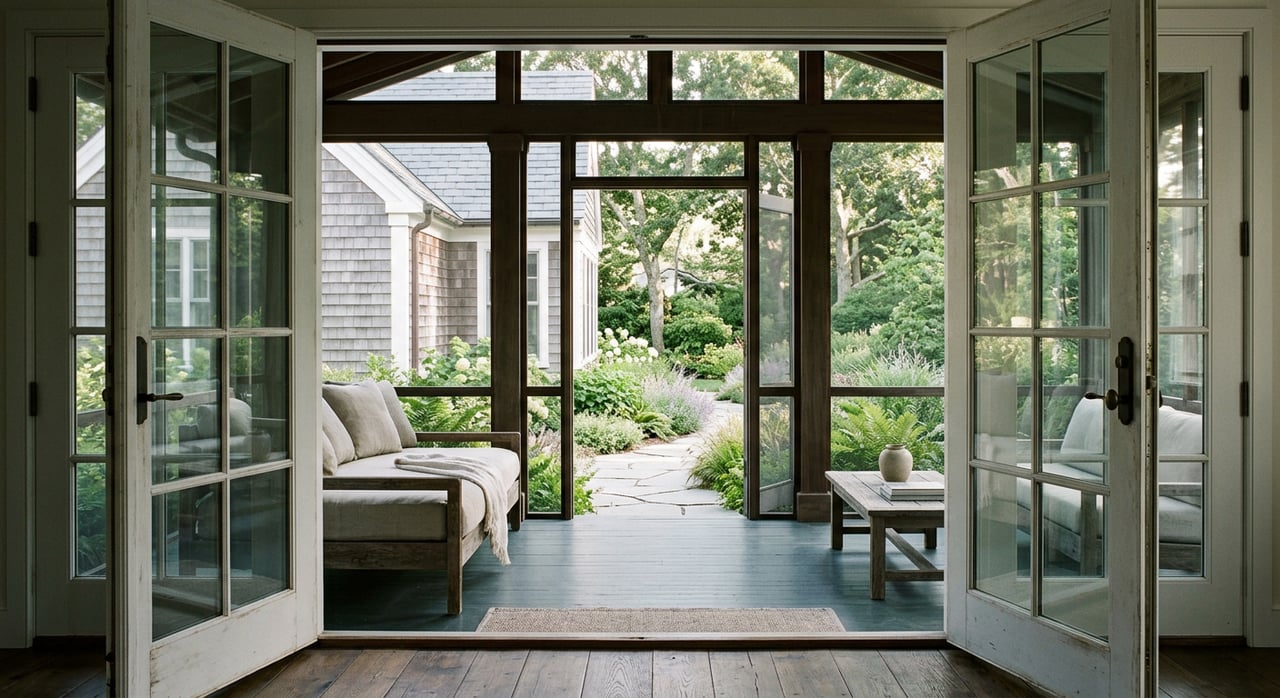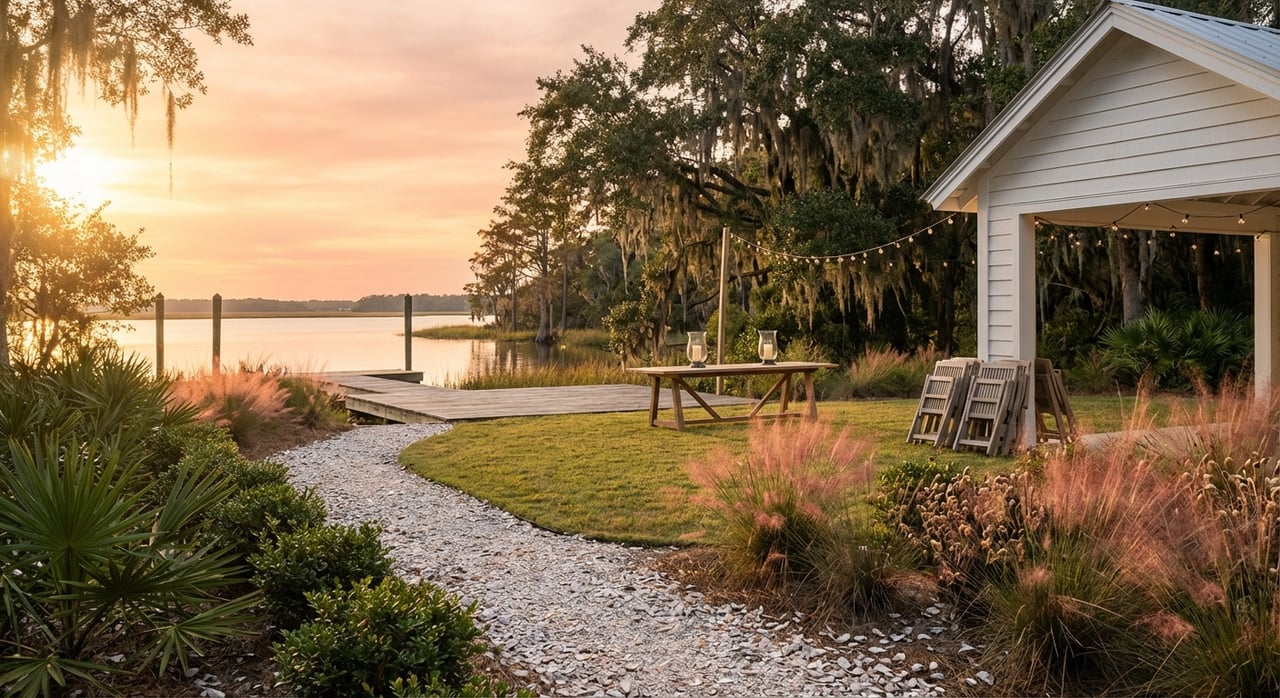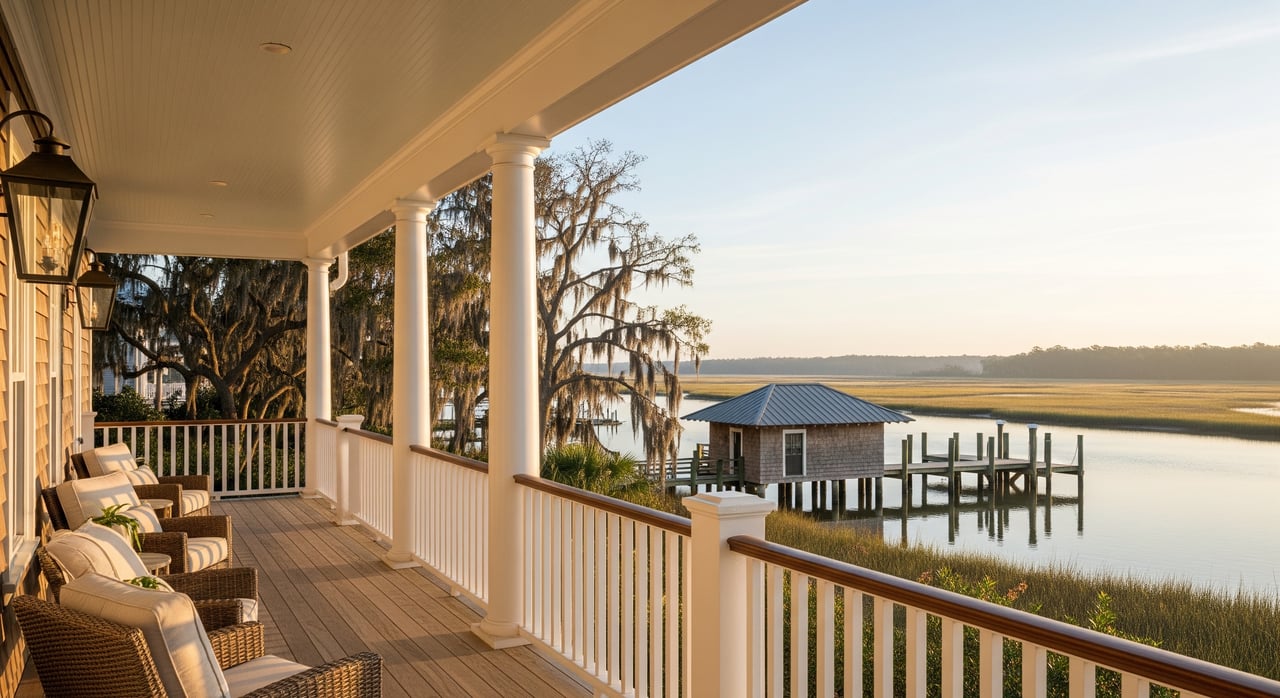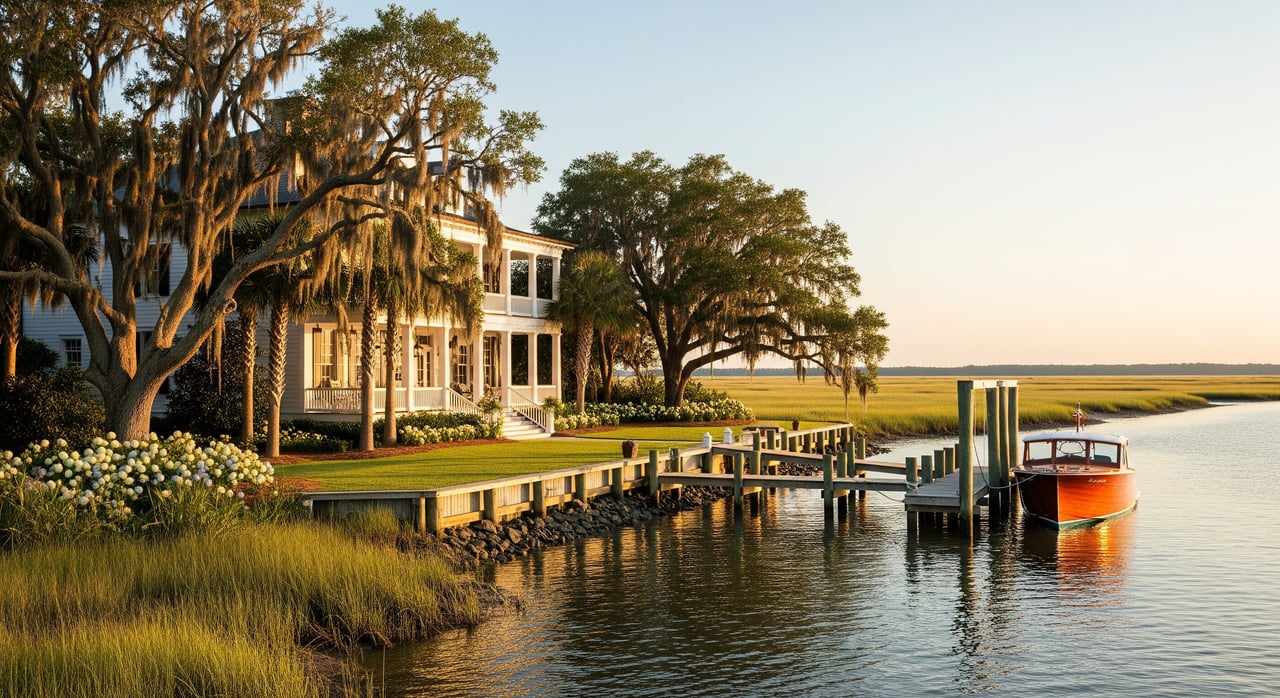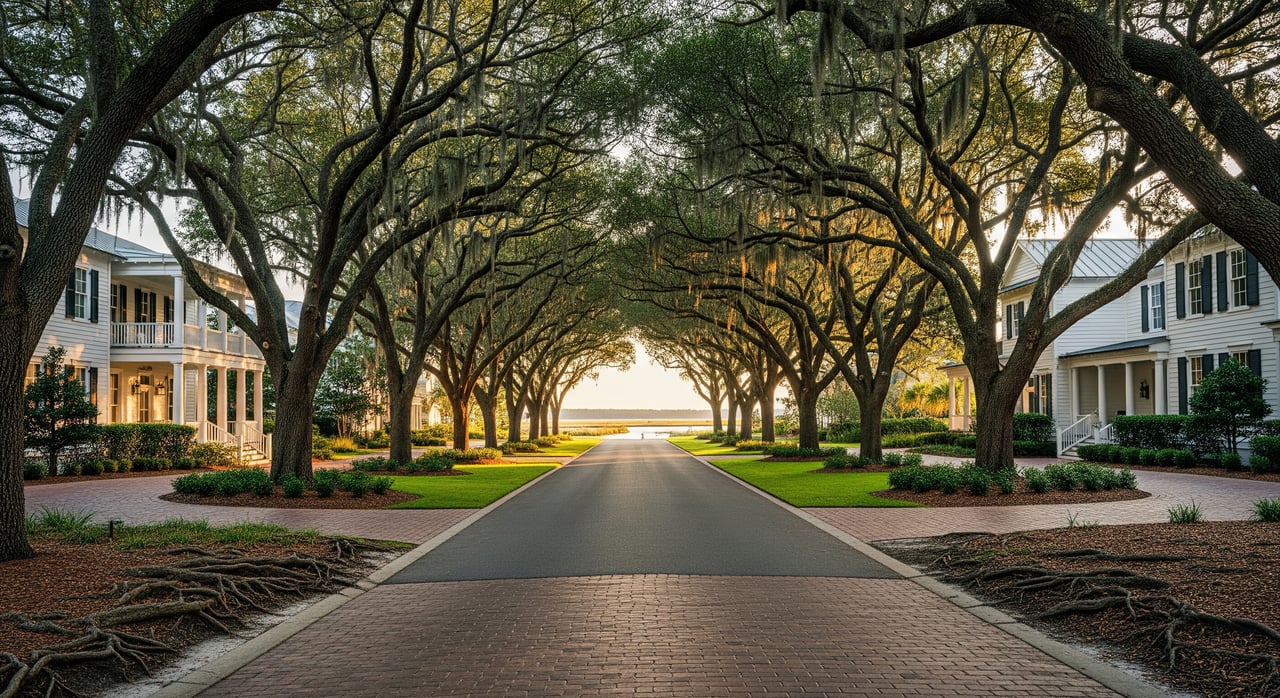
Torn between Moreland, Wilson, and River Road inside Palmetto Bluff? You are not alone. Each enclave offers a distinct rhythm of life, and the right fit comes down to how you want to live day to day. In this guide, you will learn what truly separates these three neighborhoods, how to test “fit” on a tour, and the documents and data to verify before you decide. Let’s dive in.
Palmetto Bluff at a glance
Palmetto Bluff is a master-planned, amenity-driven community along the May River in Bluffton and greater Beaufort County. It blends residential enclaves with resort elements, a walkable village, dining, marina and river access, miles of trails, and recreational venues. Buyers here are often second-home owners, retirees, or full-time residents seeking a Lowcountry lifestyle focused on the outdoors and community.
Your main trade-offs typically fall into a few buckets: proximity to amenities versus privacy, riverfront or marshfront views versus interior wooded settings, new construction versus established homes, and ongoing costs that include master association fees, potential club or amenity fees, and coastal insurance. A thoughtful plan helps you match the enclave to the life you want to lead.
What truly differs across enclaves
Use these eight lenses to compare Moreland, Wilson, and River Road. They will keep your search grounded in facts rather than impressions.
- Setting and geography: Boundaries, access to the May River and creeks, typical lot orientation and views, and walking or driving minutes to the Village and Inn.
- Housing stock and architecture: Era of development, availability of new construction, typical sizes and floor plans, and custom builds versus spec homes.
- Privacy and density: Lot spacing, tree canopy, buffers like marsh or woods, and the amount of foot and vehicle traffic near trails or event routes.
- Lifestyle rhythm and amenities: Walk or bike times to dining, shops, pools, fitness, golf facilities, tennis or pickleball, and river docks or marina.
- Price and market dynamics: Recent sale ranges, price per square foot, days on market, inventory, and whether waterfront drives most sales activity.
- Governance and recurring costs: Master or neighborhood HOA fees, design review rules, rental restrictions, and which amenities require separate memberships.
- Climate, flood, and insurance: FEMA flood zone mapping, local elevation or base flood elevations, and historical flood or storm impacts.
- Resale and buyer profile: Typical buyer mix, turnover rates, and how property types align with likely future demand.
Moreland: what to look for
Setting:
- Walk or drive the boundaries and note actual times to your daily destinations. If river or marsh proximity matters, mark which streets and lots offer those edges versus interior positions.
- Note elevation changes across the enclave and ask for FEMA flood zone designations for the blocks that interest you.
Homes:
- Identify the development era of the streets you like and whether nearby lots are still building out. This will influence construction activity, style continuity, and resale timing.
- Track common floor plan features that fit how you live, such as screened porches, primary suites on main, or guest casitas.
Privacy and noise:
- Observe tree canopy, understory, and buffers. Stand in the yard areas to gauge sound and sightlines, not just curb appeal.
- Map trail entrances and any popular pathways near a home, then return at different times to feel daily foot and bike traffic.
Lifestyle rhythm:
- Time a morning walk to coffee, an afternoon bike to docks or parks, and an evening stroll to dinner. Note how that feels in heat or light rain.
- Ask about neighborhood gathering points, pocket parks, or docks that set the social tempo.
Wilson: what to look for
Setting:
- Identify the closest routes to the Village, Inn, and shops you plan to use most often. Track street-by-street feel, from intimate lanes to more open approaches.
- Verify lot types you prefer, such as marsh view, river-influenced edges, or interior wooded settings.
Homes:
- Note the age range of homes. Ask about opportunities for updates, active remodels, and design review standards for exterior changes.
- Compare typical square footage bands and whether garages, carriage houses, or porches align with your needs.
Privacy and noise:
- Check how close homes sit to sidewalks and community routes. If you value quiet, look for natural buffers or deeper setbacks.
- Drive the roads at peak and off-peak times to gauge traffic patterns.
Lifestyle rhythm:
- Walk and bike to multiple amenities in one visit. Track times to fitness, pools, and dining that matter most to you.
- Ask about event calendars that use nearby spaces so you understand seasonal activity.
River Road: what to look for
Setting:
- Walk the edges of the enclave and note how close lots sit to water, trails, and open spaces versus denser residential areas.
- Request a quick flood zone snapshot for blocks of interest, and save it with your tour notes.
Homes:
- Clarify where building is complete versus in progress. Identify the architectural features common to the streets that feel like “you.”
- Track the range of bedroom counts and whether layouts support multi-generational or guest use.
Privacy and noise:
- Study lot spacing and canopy. If you want a retreat vibe, prioritize buffers like marsh, woods, or parks at the rear.
- Look for community spaces and how they are used. Proximity can be a plus or a source of activity.
Lifestyle rhythm:
- Test your daily routes to amenities, not just the closest ones. Small time differences can add up over months.
- Ask about neighborhood docks, trail access, and which amenities require separate membership or booking.
Your quick comparison playbook
Use this simple approach to keep decisions objective.
- Pick your top three priorities
- Examples: short walk to dining, direct river access, privacy, new-construction street, guest-friendly layouts, minimal ongoing construction, easiest yard maintenance.
- Score each enclave on your priorities
- On a 1 to 5 scale, rate Moreland, Wilson, and River Road for each priority after an in-person tour. Bring a printed checklist and mark real times and observations.
- Verify with documents and data
- Gather a neighborhood packet, recent comparable sales summaries, FEMA flood maps for specific lots, and HOA or design review guidelines. Place these side by side with your notes.
- Re-tour at a different time of day
- Repeat your top three routes in the evening or on a weekend to confirm your first impressions.
How to verify before you decide
Make your offer decisions with facts, not assumptions.
- Maps and boundaries: Request a clear enclave map and an overlay showing 5, 10, and 20 minute walking or biking ranges to the Village, Inn, shops, and docks.
- MLS market data: Ask for a 12 month sales snapshot that separates waterfront or marshfront from interior sales, with price per square foot and days on market.
- HOA and governance: Review current fee schedules, what fees include, rental rules, and the design review process. Confirm which amenities require separate membership or initiation fees.
- Flood and insurance: Pull FEMA flood zones for your short list, and ask sellers for any known flood or insurance claim history. Obtain quotes from coastal insurers early in your process.
- Property specifics: For each candidate home, confirm lot lines on county GIS, setbacks, tree policies, and any dock rights or responsibilities.
Touring tips that reveal lifestyle fit
Turn your next visit into a live “day in the life.”
- Morning trial: Walk a typical routine like coffee, a trail loop, and a quick stop at the Village. Note shade, breezes, and noise.
- Midday trial: Bike to recreation you will use most often. Measure real times door to door.
- Evening trial: Walk to dinner or a gathering point. Notice lighting, traffic, and social energy.
- Notebook method: Keep one page per enclave and list only facts. For example, “7 minute walk to X from Y,” “marsh breeze strong at 4 pm,” “trail entrance 2 houses down.”
Flood and insurance basics
Coastal ownership requires an extra layer of diligence. Protect your decision with a few steps.
- Confirm FEMA zones for the exact lot, not just the street. Ask for any local base flood elevation references for the block you like.
- Identify elevation differences between waterfront and interior lots you are considering.
- Ask an insurance professional for ballpark premium ranges by lot type and construction era, then update with carrier quotes when you have a specific address.
- Keep records. Save flood maps, elevation information, and any past claim disclosures with your offer file.
Rental and membership questions to clarify
Rules and access can vary by enclave and amenity, so read the fine print early.
- Rental rules: Confirm whether short-term rentals are allowed, minimum rental periods, and any owner-occupancy requirements.
- Design and remodel: Review the covenant and design review guidelines for exterior changes, paint colors, fencing, tree work, and timelines.
- Amenities and fees: Clarify what is covered by the master or neighborhood association, and which amenities require separate memberships or fees.
Buyer checklist you can print
Use this list on your next tour and check items off in each enclave.
- Boundaries and walk times marked on your map
- Lot type and orientation for target homes noted
- Development status, active construction, and typical home sizes recorded
- Privacy factors ranked, including canopy and buffers
- Lifestyle routes timed to your top three amenities
- MLS sales snapshot for the last 12 months, separated by waterfront and interior
- HOA fees, rental rules, and design guidelines in hand
- FEMA flood zones and any elevation notes saved
- Insurance quote conversations started with a coastal specialist
Next steps with a trusted advisor
Choosing between Moreland, Wilson, and River Road is easier when you combine clear data with local insight. If you would like a discreet, concierge-level process that includes a neighborhood packet, a side-by-side sales brief, and introductions to off-market or coming-soon opportunities, reach out to Lori Whatley. You will get calm, expert guidance from a full-time Palmetto Bluff resident with Member Advisory Team perspective and the white-glove support you expect.
FAQs
What are the main differences among Moreland, Wilson, and River Road?
- The practical differences usually come down to setting and access to the river or marsh, walk or bike times to the Village and amenities, privacy and density, the age of homes, and governance details like HOA fees and rental rules.
Do riverfront or marshfront homes usually cost more in Palmetto Bluff?
- In coastal communities, waterfront or marsh-view properties typically command premiums, so compare recent sales for waterfront versus interior lots in each enclave before you set expectations.
How can I check walk times to amenities for each enclave?
- Bring a simple map, trace likely routes, and time them on foot or by bike during your tour at different times of day, then save those notes with your shortlist.
What should I review about HOAs before making an offer?
- Confirm current fees and what they include, design review and covenant rules, rental restrictions, responsibility for roads and docks, and any amenity memberships that are separate from HOA dues.
How do I evaluate flood and insurance risk for a specific home?
- Verify the exact FEMA flood zone for the lot, ask for any available elevation references, request seller disclosures on past claims if available, and obtain quotes from coastal insurance carriers early.
Are there seasonal patterns in the Palmetto Bluff market?
- Many second-home markets experience seasonal demand, so request a 12 month MLS summary for each enclave to see price bands, days on market, and whether activity shifts by season.
How can I test privacy levels before I buy?
- Visit at different times, stand in backyard areas, note buffers like marsh or woods, observe trail traffic nearby, and compare lot spacing and canopy on the exact blocks you prefer.