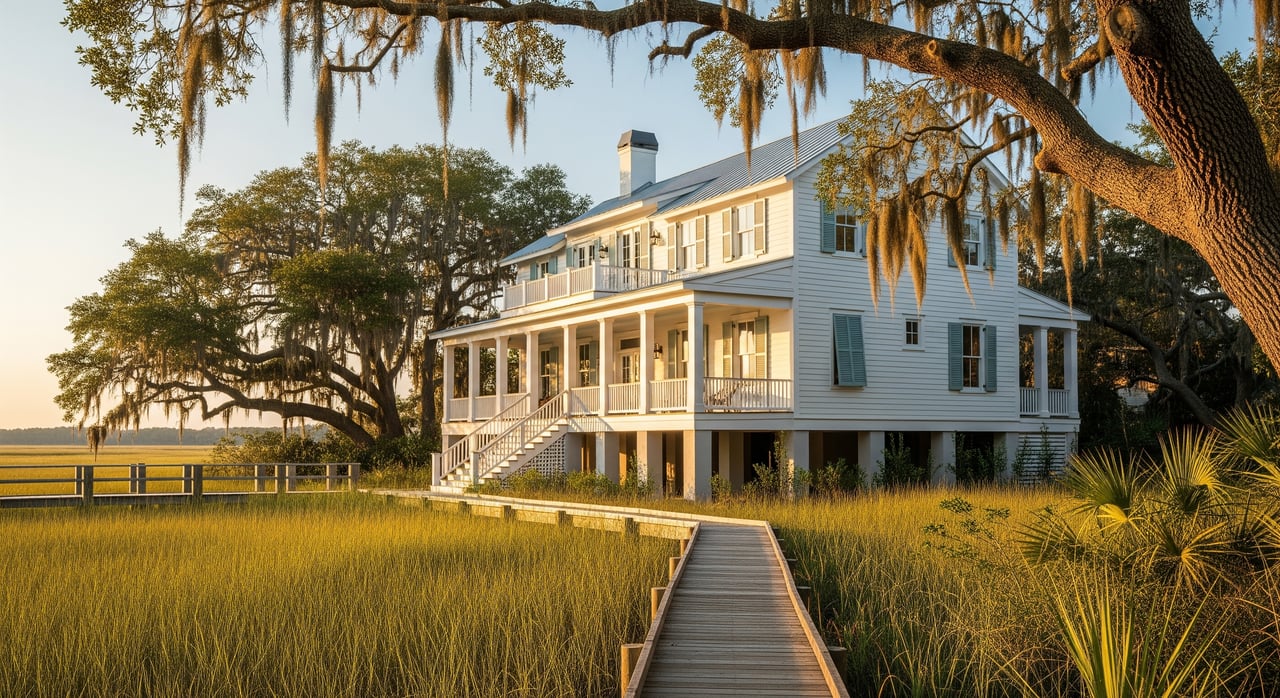
If breezy porches, marsh views, and timeless details speak to you, Palmetto Bluff will feel like home from the first turn down a live oak lane. You want beauty that fits the setting and a house that stands up to coastal weather. In this guide, you will learn how to spot authentic Lowcountry architecture, what those features do, and how they affect maintenance, insurance, and long‑term value. Let’s dive in.
What “Lowcountry” means here
Lowcountry architecture in Beaufort County grew from climate and coastal life. Homes use deep shade, cross‑breezes, raised foundations, and durable materials to manage heat, humidity, salt air, and seasonal storms. Palmetto Bluff carries this tradition with design controls that protect a cohesive look while allowing modern systems and finishes. Community materials outline these goals and the emphasis on conservation and outdoor living you see throughout Palmetto Bluff.
You will notice homes oriented to views, porches that live like outdoor rooms, and roofs designed to shed heavy rain. These choices are not just style. They support comfort and resilience in a hot‑humid, coastal setting.
Hallmark features to recognize
Deep porches and piazzas
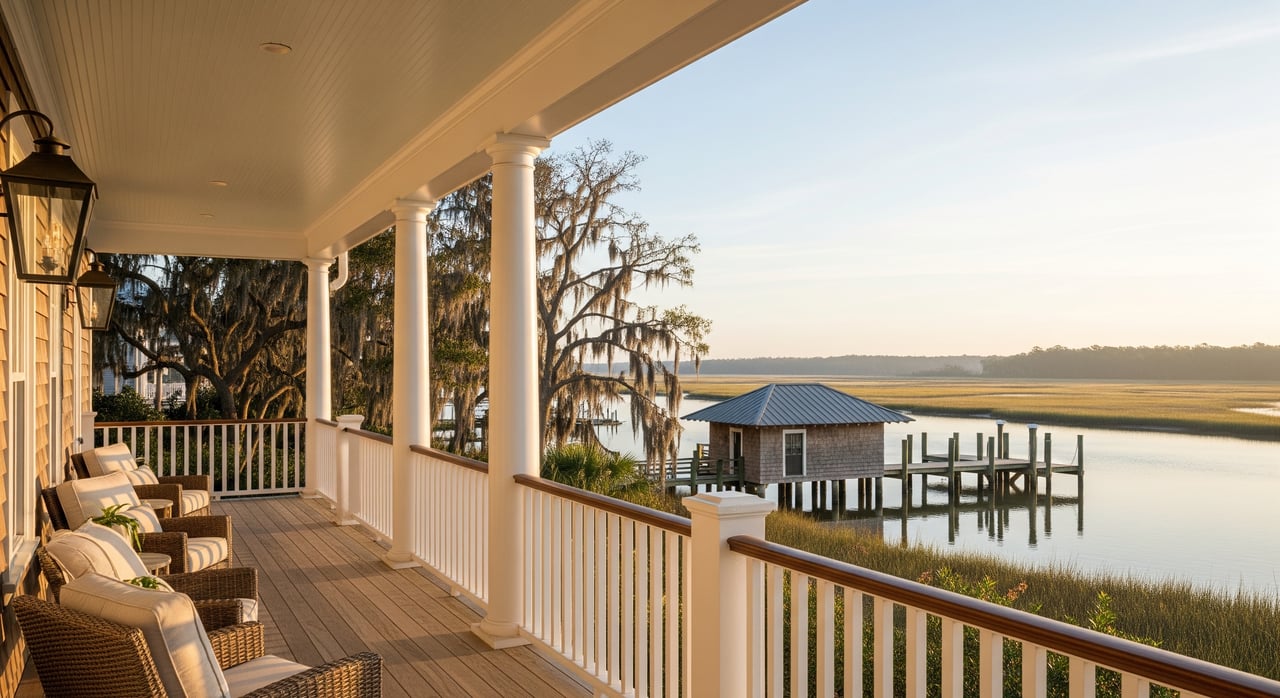
Deep, shaded porches lower heat gain, extend living space, and invite breezes through tall windows and doors. Look for generous depths of 8 to 12 feet, beadboard ceilings, and fans that keep air moving. Multi‑level porches are common on raised homes.
What to look for when touring:
- Rot at porch ledgers and columns, plus proper metal flashing.
- Secure connections with stainless or hot‑dip galvanized hardware.
- Clean drainage off porch roofs and tight intersections where porch roofs meet main roofs.
Raised foundations and crawlspaces
Elevation protects living areas from tidal flooding and allows ventilation under the house. You will see brick piers or continuous masonry walls, with vents and access to mechanicals.
Check these items:
- Elevation in relation to local flood maps and any signs of prior water entry.
- Condition of brick, mortar, and vents, plus vapor and insulation systems.
- Equipment anchored above expected flood levels.
Rooflines and wide overhangs
Steep gables or hips with generous eaves help shed heavy rain and shade walls. Metal roofs are common for longevity and wind performance when installed correctly. Architectural shingles and cedar shingles appear in more traditional profiles.
Look closely at:
- Flashing at dormers and porch intersections.
- Corrosion at fasteners in salt‑air locations.
- Attic ventilation and moisture control.
Exterior cladding and tabby accents
Traditional siding includes cypress or heart pine clapboards and board‑and‑batten, with cedar shingles in some areas. You may also see tabby elements, a regional lime‑based material made from oyster shell lime, sand, and shell. Tabby is historically significant along the South Carolina coast.
If you plan repairs, follow preservation guidance. For historic tabby or older lime mortars, use compatible techniques recommended by the National Park Service preservation briefs and the South Carolina Department of Archives & History. Hard Portland cement on old lime work can accelerate damage.
Windows, shutters, and doors
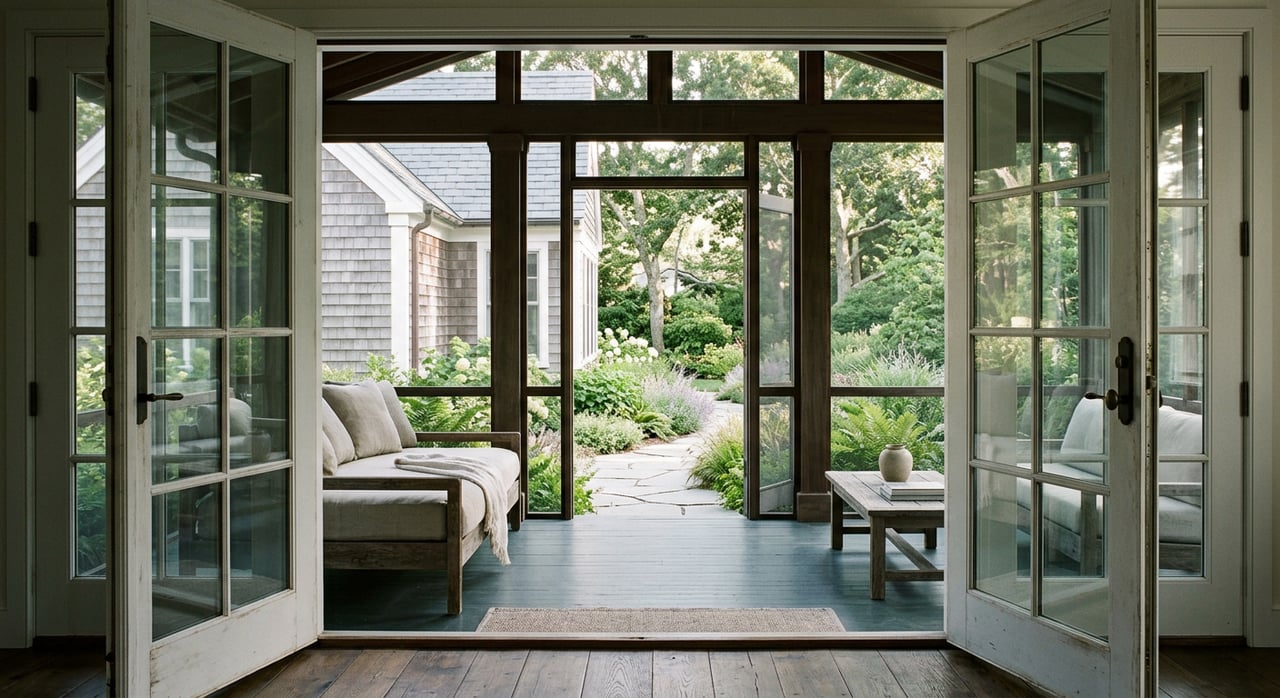
Tall double‑hung windows, transoms, and French doors capture daylight and breezes. Operable shutters can provide shade or storm protection depending on type.
Confirm during due diligence:
- Documentation for impact or storm ratings where relevant.
- Working hardware if shutters are described as functional.
- Tight sills and weatherproofing at openings.
Landscape and siting
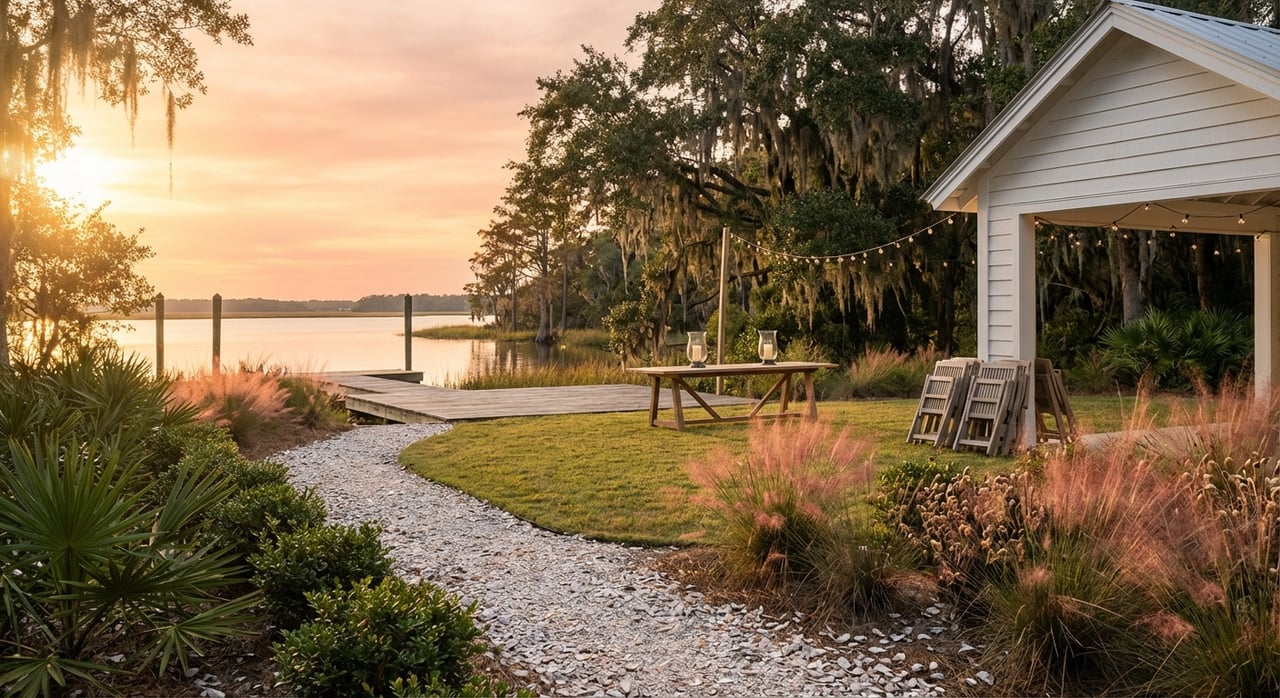
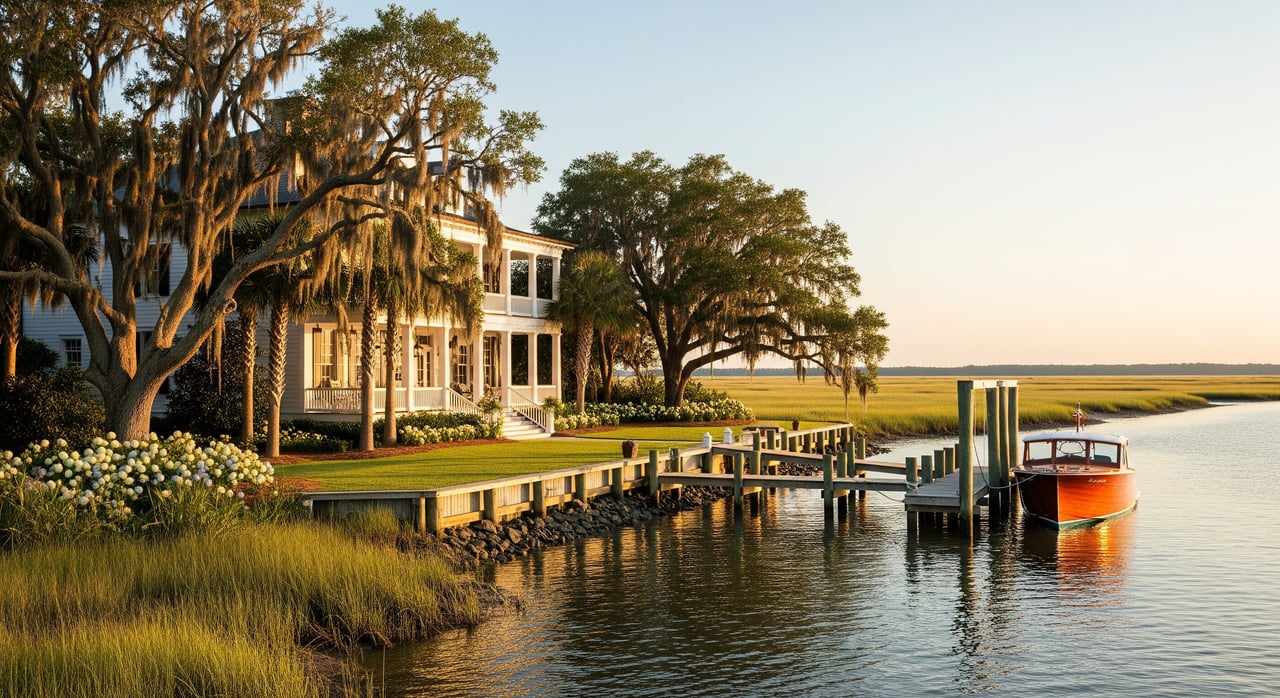
Houses often orient toward marsh or water with porches facing the view and more modest street fronts. Native plantings, preserved trees, raised drives, and boardwalks to water features are common in community settings.
Ask about:
- Site grading and drainage patterns during heavy rain.
- Tree health and maintenance plans.
- Any boardwalk or dock approvals and maintenance responsibilities.
Materials and maintenance in the Lowcountry
Coastal conditions demand smart material choices and a clear maintenance plan. Cypress and heart pine remain valued for authenticity and durability, but they still need proper detailing and regular finishing. High‑quality primers and paints designed for humidity and salt help extend repaint cycles.
Fasteners should be corrosion‑resistant, especially near marsh or river. Wood‑destroying organisms are active year‑round here, so make routine inspections part of ownership. The Clemson University Extension provides guidance on termites, wood decay, and preventive treatments.
Tabby and older brick benefit from appropriate mortars and gentle repair methods. If you inherit historic fabric, plan for a preservation mason and follow best practices outlined by the National Park Service’s preservation resources.
Resilience, flood, and wind readiness
Elevated foundations, continuous load paths, impact‑rated openings, and well‑secured roofing improve performance in storms. Consider recognized standards such as FORTIFIED Home as a signal of risk‑mitigation features. The Insurance Institute for Business & Home Safety offers guidance on wind and flood resilience and the benefits of FORTIFIED design.
Before you buy or renovate, review property‑specific flood risk. The FEMA Map Service Center shows current flood zones and base flood elevations. For longer‑term planning, the NOAA Sea Level Rise and Coastal Flooding Viewer provides helpful visualization tools. These resources inform siting, elevation, mechanical placement, and insurance discussions.
Mechanical systems deserve special attention. Place HVAC condensers, water heaters, and electrical panels above expected flood levels. Plan for corrosion management on exterior metals and schedule replacement cycles as needed.
Buyer and seller takeaways
Authentic Lowcountry elements are more than beautiful. They add comfort, efficiency, and market appeal when executed well. Deep porches, raised profiles, and quality materials tend to resonate with design‑minded buyers who value outdoor living.
Be transparent about maintenance. Traditional materials can command a premium but require consistent care. Engineered alternatives like fiber cement or composite decking can reduce upkeep while preserving the look, so weigh authenticity against lifecycle cost.
Insurance and permitting depend on elevation, flood zone, and wind features. Ask for elevation certificates, roof and window specs, and any wind mitigation documentation. These details affect premiums and peace of mind.
Quick evaluation checklist
When touring or preparing a Palmetto Bluff home, use this concise list:
- Porches: Inspect ledgers, columns, and railings for rot, confirm proper flashing, and review hardware type.
- Foundation: Note elevation versus flood maps, crawlspace ventilation, vapor barriers, and any past water repairs.
- Roof: Identify material, age, flashing quality, and visible corrosion; check attic ventilation and insulation.
- Siding and trim: Determine wood species or engineered products, paint or stain cycles, and fastener conditions.
- Windows and doors: Verify impact ratings where applicable, test shutters if advertised as functional, and look for staining at sills.
- Masonry and tabby: Look for cracking or spalling and avoid incompatible Portland cement repairs on historic lime‑based materials.
- Mechanicals: Confirm location above flood elevations, check for corrosion, and review service records.
Design review at Palmetto Bluff
Palmetto Bluff uses architectural guidelines and a design review process to protect a coherent Lowcountry character. Before exterior changes, consult community standards and timelines for approvals. You can preview the community’s vision and aesthetic on the official Palmetto Bluff site and coordinate any project planning with your advisor.
Ready to explore homes that fit your life
The right Palmetto Bluff home blends beauty, comfort, and resilience so you can enjoy the Lowcountry with confidence. If you want help evaluating features, planning maintenance, or positioning a property for sale, let’s talk. For private guidance and discreet access to opportunities, connect with Lori Whatley.
FAQs
What defines Lowcountry architecture in Palmetto Bluff?
- A climate‑smart mix of deep porches, raised foundations, wide overhangs, and traditional materials that manage heat, humidity, and coastal weather.
How do porches improve comfort and value?
- Deep porches shade interiors, promote cross‑breezes, and extend living space, which many buyers see as both practical and highly desirable.
What is tabby and how is it maintained?
- Tabby is a historic lime‑based material using oyster shell; repairs should follow guidance from preservation experts and avoid hard Portland cement.
How can I check a home’s flood risk before buying?
- Review the property’s zone and base flood elevation on the FEMA Map Service Center and use the NOAA flood viewer for longer‑term context.
Which features help with wind and storm resilience?
- Elevated living areas, continuous load paths, impact‑rated windows and doors, well‑secured roofs, and criteria aligned with IBHS FORTIFIED Home.
What termite precautions should I plan for?
- Maintain soil‑to‑wood clearance, schedule inspections, and follow prevention guidance from the Clemson University Extension to manage year‑round activity in coastal climates.