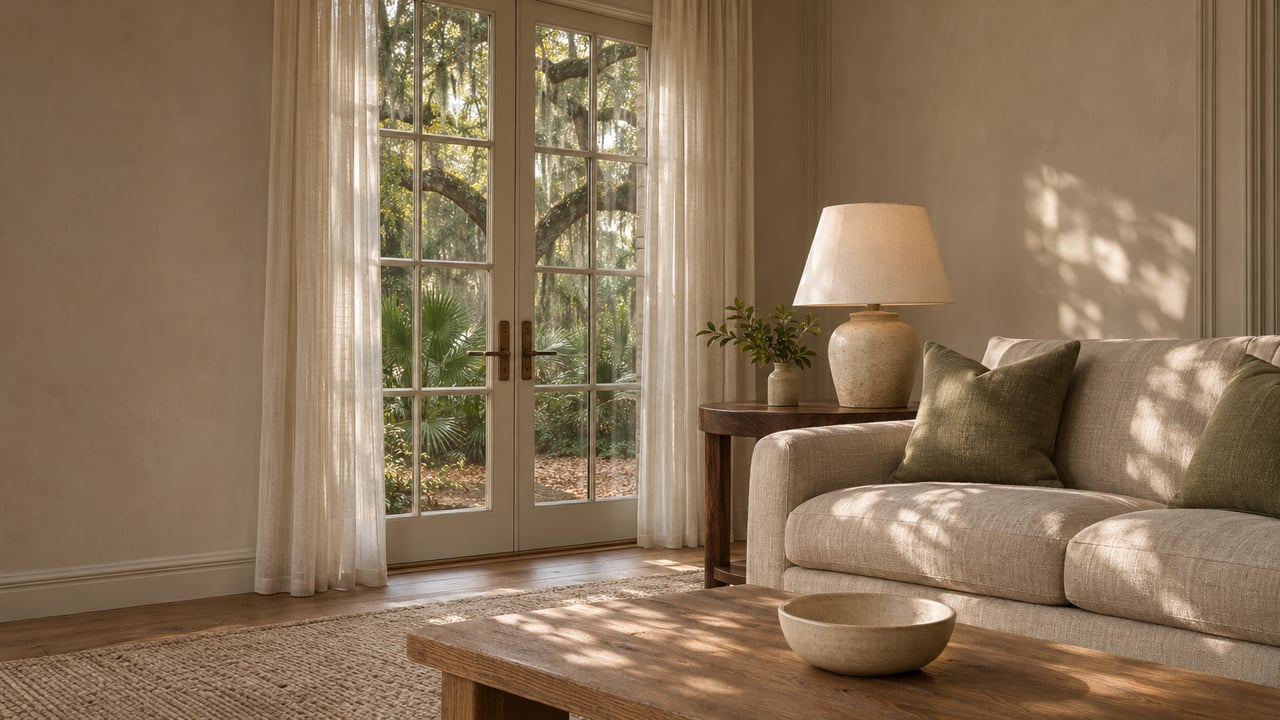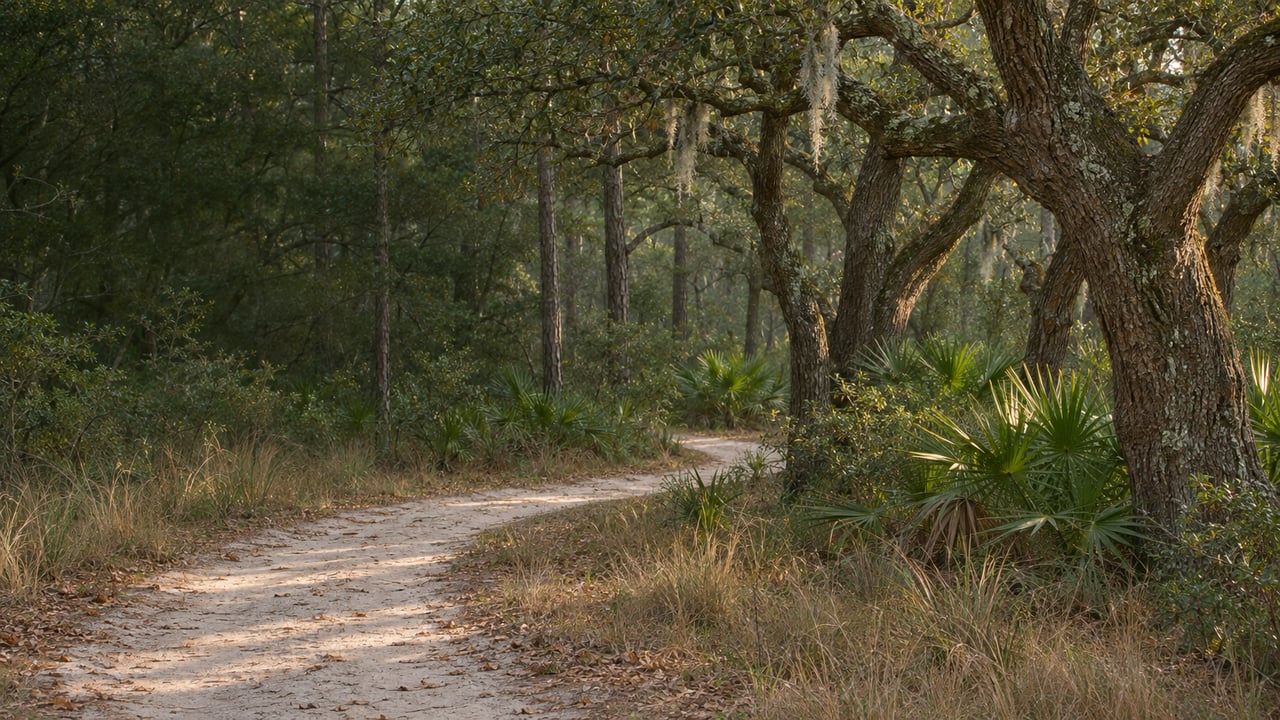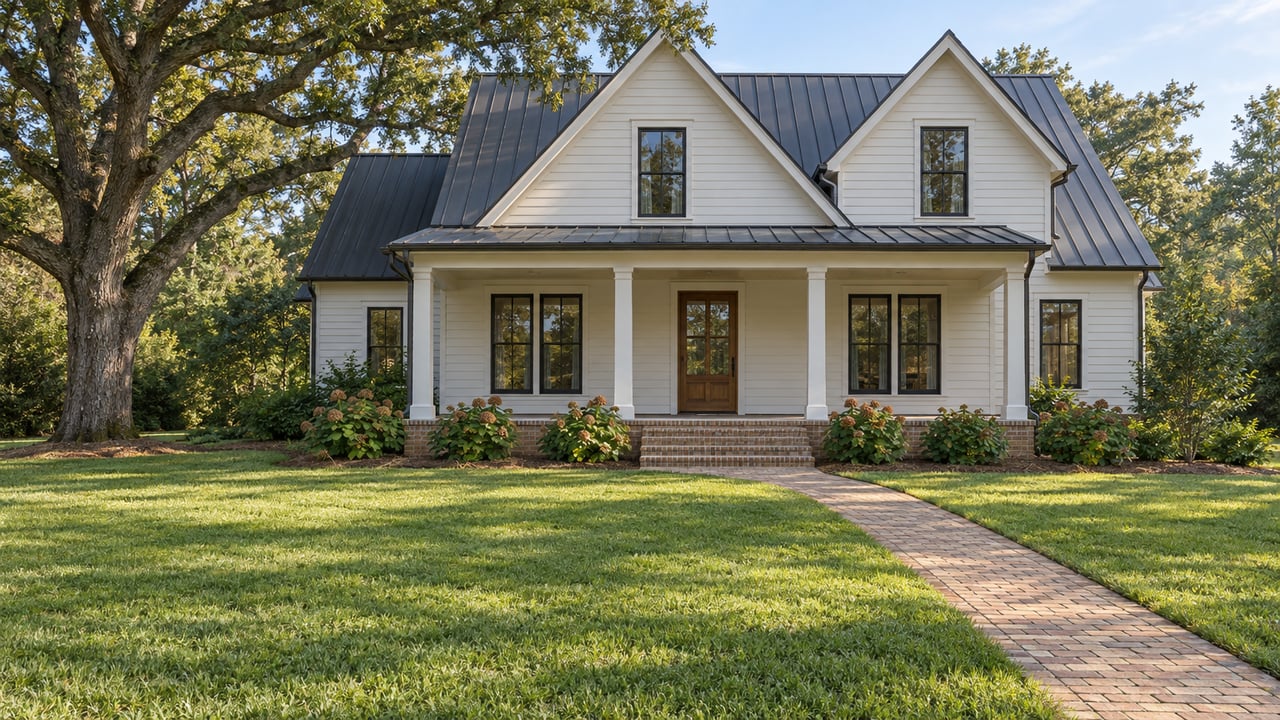
If you are considering Palmetto Bluff, you are probably asking a bigger question than where to buy. You are deciding how you want to live in the Lowcountry. For some buyers, this Bluffton community becomes an everyday home base. For others, it is a place to step away and recharge on their own schedule. This guide will help you think through the lifestyle, tax, and planning differences so you can decide with confidence. Let’s dive in.
Why This Choice Matters
Palmetto Bluff is not a typical neighborhood decision. The community is described by its official site as a 20,000-acre preserve with 32 miles of riverfront, which helps explain why buyers often see it as both a residential setting and a retreat destination. You can explore that broader vision on the official Palmetto Bluff site.
That dual identity is exactly why the primary-home versus second-home question matters here. According to Palmetto Bluff’s year-round living perspective, the community attracts full-time residents as well as those who think of it as a seasonal escape. In other words, the question is not whether you can live here full time. It is whether you want this setting to support your daily life or your intentional getaway rhythm.
When Palmetto Bluff Fits As a Primary Home
If you want your home to shape your everyday routine, Palmetto Bluff can make a strong case for full-time ownership. The community’s year-round living story highlights residents that include families, retirees, and professionals, along with recurring events, farmers markets, outdoor concerts, and shared activities. That kind of calendar tends to feel different when you are present for more than holiday weekends.
The same is true for the amenity mix. Palmetto Bluff presents golf, spa and wellness, pools, tennis, boating, fishing, dining, arts programming, and conservancy activities as part of daily life, not just a special occasion experience. When you live here full time, those offerings can become part of your normal weekly rhythm rather than a packed agenda squeezed into a few visits.
Everyday Living Feels More Natural
For many buyers, the biggest advantage of a primary home is consistency. You are not trying to maximize every minute of a short stay. You can settle into a slower pattern, enjoy the Lowcountry climate across seasons, and use the community in a more relaxed way.
Palmetto Bluff’s year-round messaging also points to mild winters and an outdoor lifestyle that carries through much of the year. If you want walks, boating, dining, and social events woven into ordinary life, full-time ownership may feel like the better fit.
Full-Time Presence Can Simplify Home Care
There is also a practical side to this decision. An occupied home is typically easier to monitor, maintain, and prepare for changing weather conditions. In coastal settings, that day-to-day presence can matter.
The Town of Bluffton’s flooding and drainage guidance recommends simple but important upkeep, such as cleaning gutters and downspouts twice a year and keeping drains clear of leaves and debris. If you live in the home full time, those tasks are often easier to stay ahead of.
Primary Residency May Offer Tax Advantages
If the home is truly your legal residence, South Carolina may offer a meaningful property tax advantage. The South Carolina Department of Revenue’s legal residence guide explains that a legal residence can qualify for the 4% assessment ratio, while a second home is generally assessed at 6%.
For some owners, there may also be additional homestead-related benefits, but those are separate from legal residence. Beaufort County explains that the homestead exemption applies only to qualifying owners who already receive the 4% legal residence rate and meet specific requirements such as age or disability status. You can review that distinction through Beaufort County’s explanation of legal residence and homestead.
When Palmetto Bluff Fits As a Second Home
For many buyers, Palmetto Bluff is most appealing as a seasonal retreat. The community itself acknowledges that many people first experience it as a vacation destination, which makes second-home ownership a natural path. If your goal is to have a Lowcountry escape without relocating full time, that can be a very sensible choice.
A second home can work especially well if you value flexibility. You may want to spend part of the year in Bluffton, visit around family schedules, or maintain a primary residence elsewhere while still having access to this lifestyle when you want it.
A Second Home Supports Intentional Getaways
The appeal here is clear. Instead of making the community part of your daily responsibilities, you preserve it as a place to arrive, reset, and enjoy. That concentrated-use pattern is exactly what many second-home buyers want.
The tradeoff is that you may not build the same day-to-day familiarity that comes with full-time residency. You can still enjoy the setting, amenities, and waterfront environment, but your connection may feel more episodic and visit-based.
Part-Time Ownership Requires More Planning
A second home usually needs stronger support systems behind the scenes. If you are away for stretches of time, you may need reliable help with housekeeping, landscaping, mail and package handling, and weather preparation.
That planning matters even more in a coastal market. The City of Beaufort’s flood awareness page notes that flooding can occur during hurricanes, tropical storms, heavy rain, and high tides, and that standard homeowner’s insurance does not cover flood damage. It also notes that FEMA-backed flood insurance generally carries a 30-day waiting period, which is an important timing detail to understand before closing or seasonal occupancy.
Rental Plans Need a Closer Look
If you are thinking about offsetting costs through short-term rentals, it is important to review Palmetto Bluff’s rules early in the process. According to the community’s short-term rental policy guidelines, rentals are limited to designated rental areas, stays are under six months, and owners must register guest stays and may incur access or administrative fees.
That does not mean a second-home plan will not work. It means you should evaluate rental goals, location choices, and ownership costs together rather than assuming every property offers the same flexibility.
Key Financial and Ownership Questions
Whether you plan to live in Palmetto Bluff full time or seasonally, your decision should include more than the purchase price. Coastal ownership comes with a few budget categories that deserve careful review before you make an offer.
Here are the main cost buckets to compare:
- Property taxes, including the difference between primary and second-home assessment treatment
- Homeowners insurance and possible flood insurance needs
- Exterior maintenance and landscape care
- Pool or dock upkeep, if applicable to the property
- Travel costs and home-management support for part-time owners
The tax and exemption framework is outlined by the South Carolina Department of Revenue property tax resources. For property-specific flood considerations, Beaufort County advises buyers to review the current FEMA flood map resources used by the county, since flood-zone status can affect both insurance and long-term planning.
Questions To Ask Yourself First
Before you decide, it helps to step back from the home itself and focus on your intended use. In a place like Palmetto Bluff, the right answer often comes down to how you want the property to function in your life.
Ask yourself:
- Do you want this home to support your daily routine or your escape routine?
- Will you be here enough to enjoy amenities as part of regular life?
- Are you prepared for the upkeep and weather-readiness needs of a part-time property?
- Would South Carolina legal residence status materially affect your tax planning?
- Are rental possibilities essential to your purchase strategy, or simply optional?
Your answers will usually point you in the right direction. If you want immersion, consistency, and the ability to enjoy the community throughout the year, a primary home may be the better fit. If you want flexibility, concentrated enjoyment, and a dedicated Lowcountry retreat, a second home may make more sense.
The Real Answer Depends on Lifestyle
In Palmetto Bluff, this decision is less about labels and more about alignment. The community clearly supports both year-round living and seasonal ownership. What matters most is whether you want your property to serve as your everyday center of gravity or your place to unplug and return to with intention.
That is where local guidance becomes especially valuable. A nuanced purchase in Palmetto Bluff often involves more than inventory. It also involves timing, tax treatment, community rules, flood-zone awareness, and how a specific property will support the life you want to build. If you are weighing that decision, Lori Whatley can help you evaluate the options with discretion, local insight, and a tailored strategy.
FAQs
Is Palmetto Bluff designed for full-time living or vacation use?
- Palmetto Bluff is positioned by its official materials as both a year-round residential community and a vacation-style destination, so the better fit depends on how you want to use the property.
Does a primary residence in South Carolina get a lower tax assessment rate?
- Yes. According to the South Carolina Department of Revenue, a legal residence may qualify for a 4% assessment ratio, while a second home is generally assessed at 6%.
Do second-home buyers in Palmetto Bluff need to think about flood planning?
- Yes. Coastal ownership planning should include flood-zone review, insurance timing, and routine maintenance, especially if the home will sit vacant between visits.
Can you use a Palmetto Bluff second home as a short-term rental?
- Possibly, but only under the community’s rules. Short-term rentals are limited to designated rental areas, stays must be under six months, and guest registration and fees may apply.
What is the biggest difference between a primary home and a second home in Palmetto Bluff?
- The biggest difference is often lifestyle rhythm. A primary home makes the community part of your everyday life, while a second home keeps it as a planned retreat.