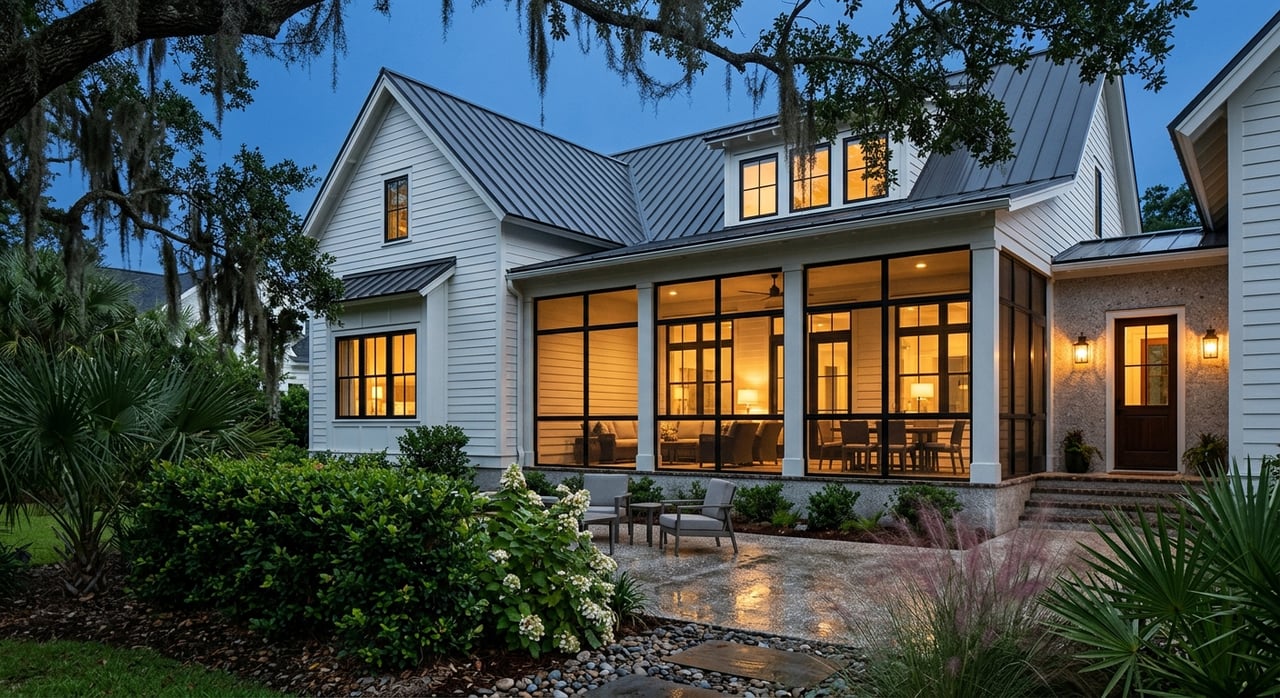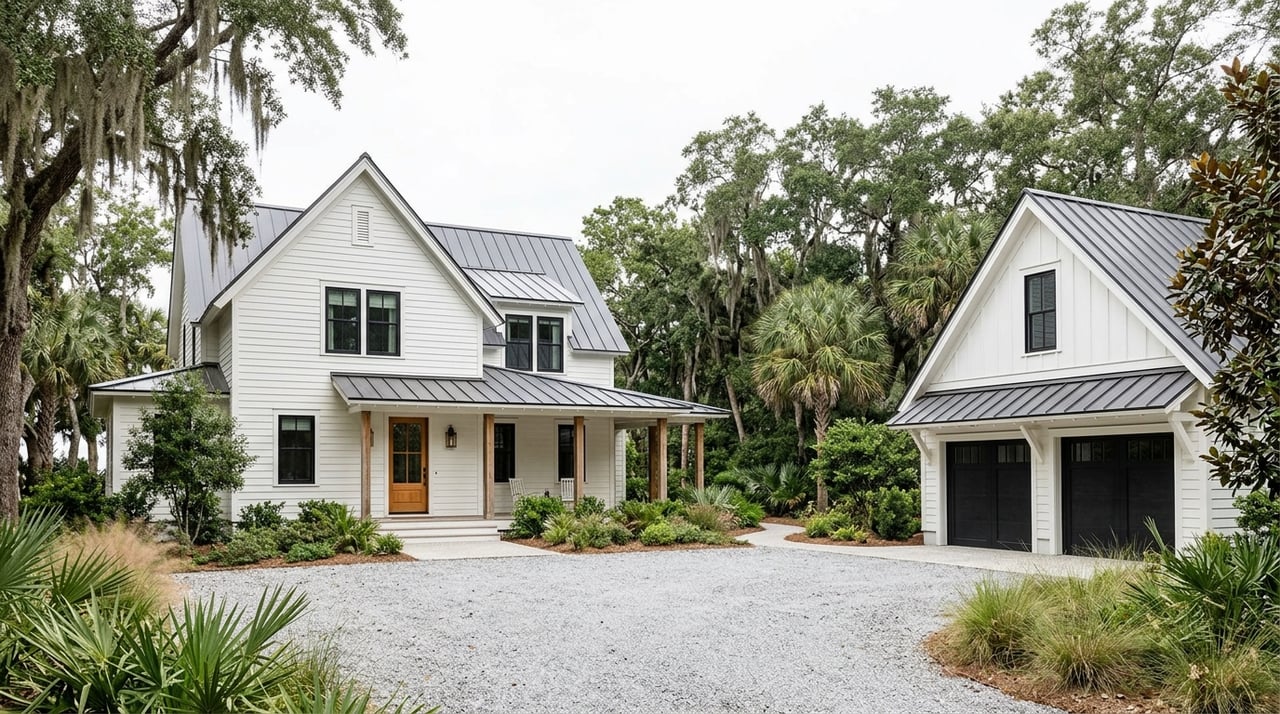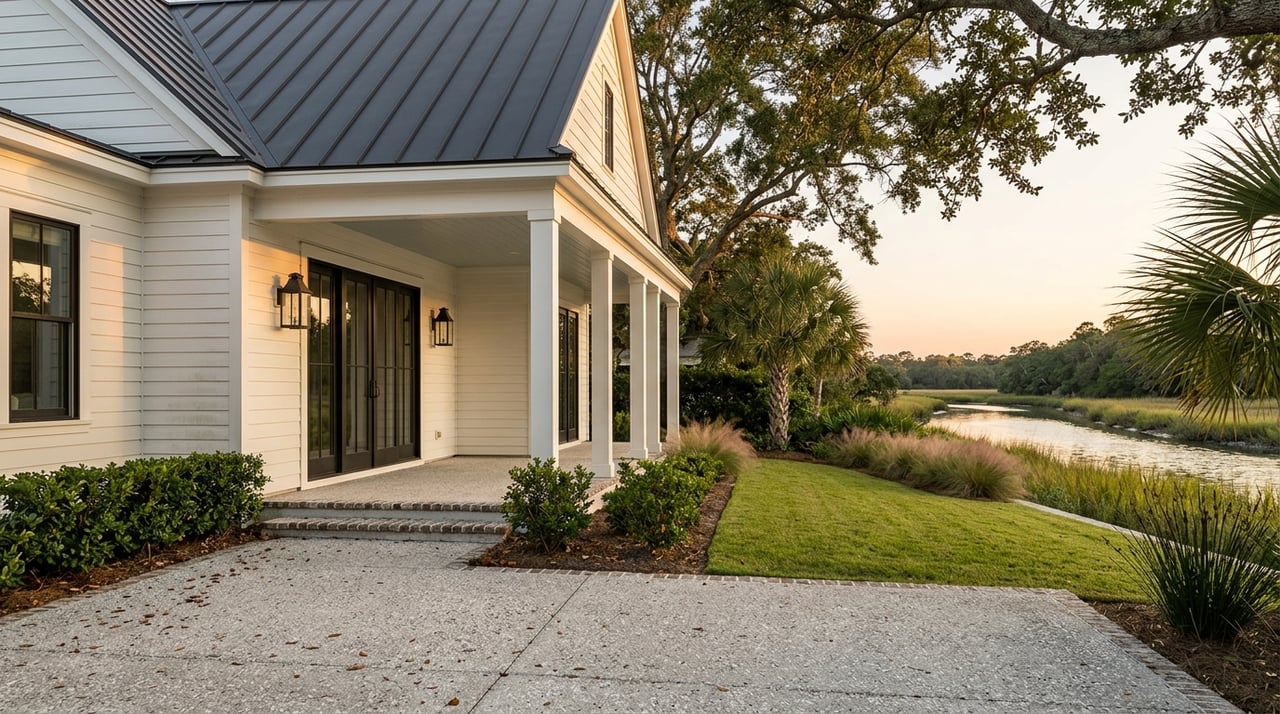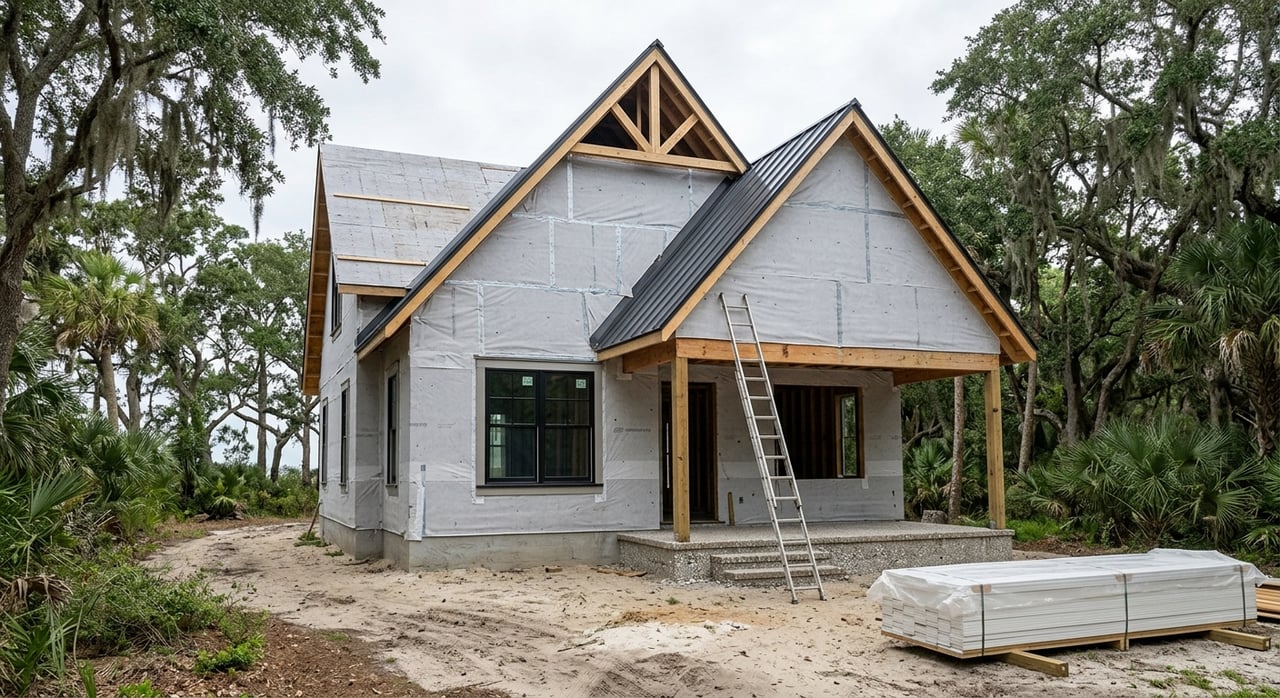
Building a custom home in Palmetto Bluff can feel exciting until one question changes everything: How long will it really take? If you are planning around a seasonal move, a second-home schedule, or a major life transition, timing matters just as much as design. The good news is that with the right expectations, you can plan wisely and avoid common surprises. Let’s walk through what a custom build timeline in Palmetto Bluff often looks like.
Why timelines work differently here
Palmetto Bluff is not a typical neighborhood. The Town of Bluffton identifies it as the town’s first Planned Unit Development, and its scale matters because large PUD communities often build out over many years or even decades.
That longer horizon shows up in the current pipeline. Palmetto Bluff spans about 20,000 acres, and its Q1 2026 market report notes that 208 homes were in design review or pending construction. In other words, this is an active building environment, which makes early planning especially important.
Expect a more layered approval process
One of the biggest timeline differences in Palmetto Bluff is the review process before construction begins. Palmetto Bluff’s Design Review Board oversees custom homes, additions, and renovations, and it requires professional submissions from South Carolina-registered architects and landscape architects.
The review stack can also include the Conservancy, especially when arborist reports or tree-removal approvals are needed. Since the Design Review Board meets every other Wednesday, even one full review cycle can take several weeks. If revisions are requested, the schedule can extend further before you ever break ground.
A realistic timeline range
For a fully custom home in Palmetto Bluff, a practical planning window is often about 12 to 24 months from homesite selection to move-in. That range reflects the layered preconstruction process, local review cadence, and the custom nature of many homes built here.
A simpler project may move faster. A wooded homesite, a waterfront setting, a home with extensive revisions, or a lot that needs septic approval may take materially longer. In this market, the cleanest way to plan is by using a range rather than expecting one fixed number.
Phase 1: Homesite search and team assembly
Your timeline starts well before drawings are submitted. General custom-home guidance often breaks out site acquisition at about two months and team assembly at about three months.
In Palmetto Bluff, this phase can carry extra weight because the homesite itself influences the design path. View corridors, tree cover, and neighborhood character can all shape what you build and how quickly your plans move forward.
This is also when you begin assembling the right professional team. Because Palmetto Bluff requires registered design professionals for submissions, early coordination matters. A thoughtful start here can save meaningful time later.
Phase 2: Design, budgeting, and selections
Design work often takes about three to six months, though preconstruction can stretch to a year or more when decisions take longer. In Palmetto Bluff, that early design period is especially important because exterior and landscape standards are a meaningful part of the process.
This is where timing and decision-making are closely linked. If you are clear on your priorities early, your architect, landscape architect, and builder can move with more confidence. If you revisit key choices late in the process, the schedule can shift quickly.
A helpful rule of thumb is simple: the more customized the home, the more time you should allow for refinement. That does not mean the process needs to feel overwhelming. It just means your timeline should leave room for thoughtful decisions.
Phase 3: DRB and Conservancy review
This is often where buyers underestimate the schedule. Palmetto Bluff’s Design Review Board exists to protect the Lowcountry setting, and that means submissions are expected to be detailed and professionally prepared.
Because the board meets every other Wednesday, the timing of your submission matters. Missing one review window can push a file to the next meeting cycle, and requested revisions can add another round of waiting.
If your homesite involves mature trees or site-sensitive conditions, Conservancy-related review can also affect timing. Arborist reports and tree-removal approvals are not small side tasks here. They can directly influence site planning, house placement, and landscape design.
Phase 4: Town permitting and processing
Once plans move beyond community review, the Town of Bluffton’s permitting process becomes another key milestone. The town’s residential digital plan review requires a building permit application, a digital plan set, and a Beaufort County impact fee assessment application.
The town states that the average review time is 20 business days. Permit release also depends on payment and final plan processing, so approval does not always mean immediate release the same day.
This step is more predictable than some earlier phases, but it still deserves room in your schedule. It is smart to treat permitting as a formal stage, not a quick administrative detail.
Phase 5: Septic approval on certain lots
If your lot is not served by public or community sewer, septic approval can become a major timeline factor. South Carolina’s Department of Environmental Services says a septic permit is required before the county can issue a building permit for a home that is not on public or community sewer.
The same agency also notes that wet soil can delay the site evaluation. In a coastal setting, that can make the front end of the project less predictable than many buyers expect.
For that reason, lots needing septic often require more scheduling flexibility. If you have a firm target move-in date, this is one of the first things to clarify during your homesite search.
Phase 6: Construction and closeout
Once permits are in hand, the visible part of the journey begins. General custom-home guidance often places construction at about 12 months, while broader 2024 Census-derived reporting cited by Pro Builder found the average single-family home took 9.1 months from authorization to completion and 7.6 months from permit to completion in new-construction communities.
In Palmetto Bluff, a fully custom home should usually be planned more conservatively. The home itself, site conditions, weather, material availability, and subcontractor scheduling can all affect the build period.
Closeout is typically shorter than earlier phases, but it still takes coordination. Final punch work, inspections, and handoff details are usually easier to manage when the earlier phases were planned realistically.
What tends to slow a custom build
Most delays do not come from one dramatic event. They often come from a series of smaller timing issues that add up.
Common schedule stretch points include:
- Slow owner decisions during design and selections
- Late change orders after plans are already moving forward
- Tree preservation or root-zone constraints
- Arborist and tree-removal review requirements
- Wet-site or soil-related septic delays on applicable lots
- Weather interruptions
- Material availability issues
- Subcontractor scheduling challenges
In Palmetto Bluff, tree and landscape considerations deserve special attention. When mature trees affect siting or design, the schedule may change before vertical construction even starts.
If you have a fixed move-in date
If your calendar is less flexible, a fully custom path may not always be the best fit. Palmetto Bluff also offers more streamlined building paths through select builders.
According to Palmetto Bluff’s builders information, the simplified sequence can include choosing a homesite, selecting a floor plan, choosing exterior hues, and making interior selections before completion. Its custom-versus-semi-custom guidance also notes that The Grove uses a streamlined construction process that significantly reduces the time between selecting a plan and moving in.
For some buyers, that tradeoff makes sense. If timing matters more than total design freedom, a semi-custom or more structured build path may offer a better match.
How to plan your timeline wisely
The most useful mindset is to budget more time for approvals than for framing, and more time for framing than for final closeout. In Palmetto Bluff, the front end often carries more complexity than buyers first expect.
A few practical planning steps can help:
- Start your homesite search earlier than you think you need to
- Confirm whether the lot is served by public or community sewer
- Build your design team quickly and keep communication tight
- Make major architectural and finish decisions as early as possible
- Leave room for at least one revision cycle in DRB review
- Avoid scheduling your move-in around the most optimistic case
A calm, well-built timeline is usually more useful than an aggressive one. When expectations are realistic from the start, the process tends to feel far more manageable.
The bottom line for Palmetto Bluff buyers
Palmetto Bluff rewards thoughtful planning. It is a distinctive place to build, but its review structure, design standards, and site-specific considerations mean the process usually takes more time than a typical custom home in a standard subdivision.
If you are deciding between a custom build, a streamlined build path, or an existing home, the right choice often comes down to your priorities. Design freedom, lot characteristics, and move-in timing all matter, and balancing them well can save you both stress and missed expectations.
If you want discreet, informed guidance on homesites, build timing, or the best path for your goals in Palmetto Bluff, Lori Whatley can help you plan with clarity and confidence.
FAQs
How long does a custom build in Palmetto Bluff usually take?
- A reasonable planning range is often about 12 to 24 months from homesite selection to move-in, depending on the lot, approvals, revisions, and construction complexity.
Why does the Palmetto Bluff design process take longer than a typical subdivision?
- Palmetto Bluff uses a layered review process with a Design Review Board, professional design submission requirements, and, in some cases, Conservancy review for arborist reports and tree removal.
How often does the Palmetto Bluff Design Review Board meet?
- Palmetto Bluff states that the Design Review Board meets every other Wednesday, which can affect how quickly plans move through review.
What is the Town of Bluffton permit review time for residential plans?
- The Town of Bluffton says the average residential digital plan review time is 20 business days, with permit release dependent on payment and final processing.
Can septic approval delay a Palmetto Bluff build timeline?
- Yes. If a lot is not served by public or community sewer, septic permitting is required before a building permit can be issued, and wet soil can delay the site evaluation.
Is there a faster alternative to a fully custom home in Palmetto Bluff?
- Yes. Palmetto Bluff offers more streamlined building paths, and its published guidance notes that some options, including The Grove, can reduce the time between plan selection and move-in.